


_1765201068552.png)
Cost and Quality: Choosing the Best Lidocaine Powder for Dental Anesthesia
The best lidocaine in powder form for oral treatment must strike a balance between good quality and low cost. This local sedative made for pharmaceutical use is an important part of modern dentistry because it numbs the area well, which is important for keeping patients comfortable during treatments. Procurement professionals have to deal with a lot of difficult issues. For example, they need to make sure that sellers are licensed, follow the rules, and keep costs low while still maintaining the highest safety standards. If you know about these things, you can make smart decisions that will save you money and help your patients get better dental treatment.
Understanding Lidocaine Powder: Chemical Properties and Mechanism of Action
Chemical Composition and Purity Standards
Lidocaine in powder form is more stable than in liquid form in terms of durability. This makes it great for dental uses that need to be precise with the amount used. Because the compound's molecules are held together by amide bonds, it is less likely to break down in water or heat. A lot of the time, the purity level is higher than 99%, and toxins like 2,6-xylidine and other breakdown products that might make the medicine less effective are carefully managed. Powder recipes don't change when they are saved, which is a great thing. For a long time, lidocaine powder works as long as the temperature and humidity are just right. Dentist offices save money on waste and stocking costs this way. Because pharmaceutical-grade powder is solid, it always melts at the same rate when it is mixed with water. This means that the numbing effects are always the same from batch to batch.
Mechanism of Anesthetic Action
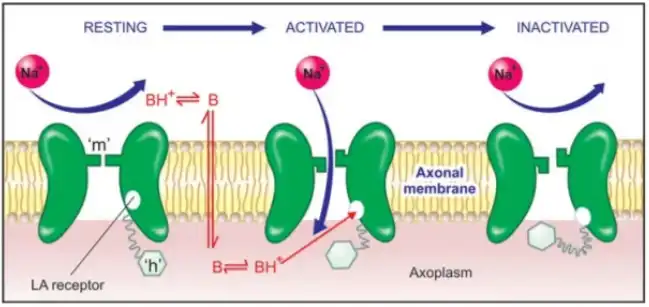
In a certain way, lidocaine blocks voltage-gated sodium channels in nerve membranes. The molecules that don't have any charges go into the nerve sheaths and then become charged in the axoplasm. Then, they bind to sodium channels in a way that can't be undone. This keeps the nerve's charge from being lost. In order for oral procedures to be easy, this process numbs the area. The compound's pKa value of 7.7 means that about 25% of its molecules stay neutrally charged at a normal pH. This increases the speed with which it starts to numb the area. Lidocaine is great for dentistry because it works quickly, which is good for both the patient's comfort and the speed of the process.
Safety Profile in Dental Applications
Clinical tests have shown that lidocaine is safe when used properly in dentistry. The chemical doesn't get taken into the body very well when it's put on straight, which lowers the chance that it will hurt the heart or brain. This drug should not be given to people who are known to be allergic to it or who have major problems with how their hearts beat. To stay safe, professional guidelines stress how important it is to follow the right dosing methods. The biggest amounts that should be given rely on how much the person weighs and what kind of treatment is being done. For uses with kids, close tracking is needed. By understanding these safety factors, people who buy things can pick items that are both useful and safe for a wide range of dental patients.

Comparing Lidocaine Powder with Other Forms for Dental Use
Formulation Advantages and Clinical Applications
Lidocaine in powder form for different types that are used for different things in dentistry. It's easy to do small treatments with gels and creams that numb the skin on the outside. However, they don't go very deep into the skin. There is a right way to prepare and use injectable solutions so that they give quick, deep sedation that works for invasive treatments. When you get lidocaine in powder form, you can mix it with many other things. Based on the process, doctors can make solutions with different amounts that give the best depth and length of anesthesia. It's especially helpful for dental offices that do a lot of different kinds of work, from easy cleanings to complicated mouth surgery. There are also no chemicals in powder formulations like there are in ready-to-use treatments. This makes it less likely for people who are allergic to have an allergic reaction. In pediatric dentistry, where bad reactions are still very important to avoid, this benefit is especially helpful.
Comparative Efficacy Analysis
Research shows that lidocaine powder that has been properly mixed with water works just as well as store-bought injectable solutions and costs a lot less. Start times for external uses are usually between 30 seconds and 2 minutes, and start times for injected forms are usually between 1 and 3 minutes. Anesthesia lasts for different amounts of time depending on how it is used and how strong it is. Putting crushed powder on the skin numbs it for 15 to 45 minutes, and injectable preparations numb it deeply for 1 to 3 hours, which is good for long sessions. These things are pretty much the same as with other lidocaine formulas, and buying in bulk can help you save money.
Alternative Anesthetic Comparisons
Prilocaine powder numbs the skin in the same way, but it increases the chance of methemoglobinemia, especially in kids. Because it only works for a short time, benzocaine powder can only be used for short skin treatments. Articaine powder works better at getting into tough tissues, but it's very expensive, which could make it hard to afford. Among these choices, lidocaine in powder form is the most effective, safest, and least expensive way to use lidocaine for basic dental needs. Since it is safe and its pharmacokinetics can be predicted, it is the best choice for practices that need a stable anesthetic for a lot of different patient groups.
Cost Factors Affecting Selection of Lidocaine Powder for Dental Anesthesia
Pricing Dynamics and Bulk Purchasing Benefits
Buying lidocaine powder has different prices based on the market, the supplier's stock, and government rules. The cost of pharmaceutical-grade powder ranges from $15 to $45 per gram right now. It's cheaper to buy a lot of it at once. When you buy in bulk, unit costs can drop by 20–40%. This can save a lot of money for large dental offices or group buying groups. Often, changes in the amount of quality and approval cause price changes. USP-grade powder is more expensive than other kinds, but it meets the standards for therapeutic use set by pharmacies. They cost less, but technical-grade apps might not follow the rules for apps used in patient care. The kind of packaging you use also changes the total cost. It's easy to use single-unit amounts, but they cost more per gram. Though bulk boxes are less expensive, they need to be handled and kept in a certain way so that the goods stay in good condition all the way through the supply chain.
Supplier Certification and Quality Assurance
For dental anesthesia uses, you can't skip over getting FDA approval and following GMP guidelines. Suppliers who meet these standards can charge more because they have written quality systems, tried-and-true ways of making things, and thorough testing procedures. A Certificate of Analysis (CoA) is an important piece of proof that the product is legal and of good quality, which comes with each batch. Standards from around the world, like ISO 13485 or European Pharmacopoeia compliance, make the product more useful by making sure it is of better quality. Supply chain problems are less likely to happen when these standards are met, which is why procurement professionals who value dependability are ready to pay more. Proof from third-party tests increases the quality promise, but it also costs the seller more, which is reflected in the final price. To get the best deal between these good investments, lidocaine in powder form, and limited funds, each dental practice or group needs to carefully think about how comfortable it is with risk and the rules and laws that apply to it.
Regulatory Compliance and Transportation Costs
The total cost of buying drugs is affected by the shipping rules in a big way. Products cost 15 to 30 percent more when they have to be shipped in controlled temperatures, packed in unique ways, or delivered quickly. It's harder to send items internationally because they have to go through customs, fill out more paperwork, and take longer to get to their destination. This could mean that you need to buy more things. If you need to keep some mixes in a cold chain, it costs more to ship them, but it keeps the product fixed. Formulations that don't change much at room temperature save money because they don't need to be kept or shipped with as much care. In clinical studies, they still work well. How much a seller charges is also affected by things like insurance and safety. All of the costs of product liability and recall insurance are passed on to customers in the form of higher prices. This is because these insurances protect both sellers and customers. When you know these cost factors, you can make more accurate total cost of ownership estimates that help you choose what to buy.
Criteria for Choosing the Best Lidocaine Powder Supplier
Quality Specifications and Documentation Requirements
Setting clear buying specs ensures that the quality of the products will stay the same and that rules will be followed. The amount of active chemical should be at least 99%, and there should be clear limits on certain flaws. It is important to have stability data that tells you how long a product will last in certain store circumstances. This keeps your products from going bad quickly, which takes time and money. If you are doing an analysis, you need to include information on the particle size distribution, the chemical purity analysis, and the water level. These things are needed to judge sources because they have a direct effect on how well the drug dissolves and how well it works in clinical trials. If a supplier gives you full research tools, that means they care about quality and following the rules. Uniformity from batch to batch is another important factor. Suppliers should give scientific information about quality factors that can be used in more than one production run. This consistency makes it possible to predict how well the clinical work will do and avoids having to go through a lot of trouble for new inspections.
Supplier Evaluation and Partnership Development
Well-known companies that have been making local anesthetics for decades are among the top makers in the pharmacy anesthetic market. Most of the time, these companies make things in more than one place. This keeps the supply line steady and lets them meet growing demand. You should judge a company by how well it can make things, get those goods to customers in different areas, and how well it has always followed the rules. You can learn a lot about a supplier's success, timeliness, and technical help skills from referrals from other healthcare organizations that work with them. When you visit an industrial site, you can directly check the quality systems, output capabilities, and facilities that are needed to meet legal standards. Before you decide to work with a service for a long time, you should check to see if they are financially stable, good at research and development, and dedicated to the dental anesthesia market. Suppliers who spend money on new recipes and better ways to make things want to be at the top of the market and help their customers do well.
Technical Support and Regulatory Assistance
Help with planning, figuring out what "stable data" means, and filing with the government are all parts of comprehensive professional support. In addition to selling goods, the services that sellers offer are very useful. This is especially true for businesses that are coming up with new ways to use anesthetics or going into new markets. Knowing about regulations is very helpful when standards change or there are questions about who is responsible for what. Suppliers who have their own regulatory affairs teams can help with things like what paperwork is needed, how to file, and making a regulatory plan. Features for emergency help make sure that materials don't run out when things go wrong out of the blue. If suppliers have good backup plans, more than one source of supplies, and fast shipping options, lidocaine in powder form, supply gaps that could affect patient care are less likely to happen.
Practical Guide to Using Lidocaine Powder in Dental Procedures
Dosage Guidelines and Reconstitution Protocols
If oral anesthesia is used, make sure that the right dose is taken as directed so that it works and no one gets hurt. Adults should not take more than 300 mg without epinephrine or 500 mg with it in a single dose. Doses should be between 1 and 4 mg/kg of body weight. When giving medicine to kids, more care needs to be taken, and amounts are generally limited to 2 to 3 mg/kg of body weight. For the product to stay safe and work well, the methods used for recovery must follow the rules for clean technique. It's easy for lidocaine in powder form to dissolve in clean water or regular salt. When mixed slowly for two to three minutes, the powder is normally gone for good. When prepared solutions are kept in the fridge, they stay stable for 24 to 48 hours. This means that they can be made ahead of time for busy clinical plans. The type of dose chosen depends on what the patient needs. Most dental treatments work well with solutions that are 1% to 2% concentrated, but for major mouth surgery, you may need more. In smaller amounts, it is safer to use on children, but it still has strong numbing properties.
Storage and Handling Best Practices
With the right conditions, it is possible to keep the potency of lidocaine in powder form and increase its shelf life. A cool, dry place (15°C to 30°C) is the best place to keep things. When a product is kept, it stays pure because it is covered and doesn't absorb water or become contaminated. To keep things as fresh as possible, stocking management should follow the "first-in, first-out" rule. People don't use tampered goods by mistake when the cleanliness of the package, expiration dates, and storage conditions are checked on a regular basis. It helps with quality control and legal compliance programs to keep track of how things are stored and how they are treated. Wearing gloves, eye protection, and a dust mask are all important safety gear to have when working with powder. If you touch lidocaine to your skin, it's not very dangerous, but following the right safety rules can lower the risk and show that you know how to handle it properly.
Patient Monitoring and Safety Protocols
A doctor checks the person's vital signs, brain state, and signs of systemic absorption while lidocaine is being given. If you catch bad reactions early, you can treat them quickly and avoid bigger problems. In addition to keeping track of other things, blood pressure, heart rate, and breathing should also be checked. Patients are more willing to help and feel less anxious when they know what effects and feelings they might have. Telling patients when the effects of the anesthesia will begin, how long they should last, and what they can expect helps them tell the difference between usual effects and signs that they need to be checked out right away. Plans should be made for bad responses that could happen in an emergency, like allergic reactions, poisoning of the whole body, and heart effects. Having quick access to reversal agents, rescue tools, and emergency medical help lets you act quickly if anything goes wrong while the anesthesia is being given.
Conclusion
Quality, price, and source reliability are all important factors to consider when selecting the best lidocaine in powder form for dental anesthesia. It helps people choose what to buy when they know about the compound's medicinal properties, how it works better than other versions, and the right way to use it. To find ways to save money, like buying in bulk and working with sellers, you need to find a way to keep quality good while also cutting costs. For the execution to go well, the supplier's skills must be fully evaluated, rules must be followed, and ongoing expert help must be provided. Any of these things will make sure that lidocaine in powder form in dentist offices can always get high-quality anesthetics that meet their needs and their budgets.
FAQ
1. What concentrations of lidocaine powder are appropriate for dental procedures?
Doxepin, in numbers between 1% and 2%, works well as anesthesia for most dental work. Higher doses, up to 4%, may be used for more serious treatments. But when it comes to kids, concentrations between 0.5 and 1% are generally used to make sure there are enough safety gaps.
2. How does powder form compare cost-effectively to pre-made solutions?
Because it can be bought in bulk and lasts longer, lidocaine in powder form is much cheaper. Most of the time, powder mixtures cost 30–50% less than the same amount of ready-to-use liquids, and you can choose the strength more easily.
3. What storage requirements maintain lidocaine powder quality?
The temperature should stay between 15°C and 30°C, the humidity should stay below 65%, and things should be kept out of the light and away from water. It is much longer for sealed cases to keep their usefulness for 3 to 5 years when kept in climate-controlled places.
4. Which certifications indicate reliable lidocaine powder suppliers?
Meeting FDA standards, GMP standards, and USP standards are all important requirements. ISO 13485 approval, detailed Certificates of Analysis, and recorded stable testing programs are some other signs of quality that show the same level of quality every time.
5. What safety precautions apply when handling lidocaine powder?
If you want to be safe, you should always work while wearing gloves, eye protection, and a dust mask. Workers stay safe by making sure there is enough air flow and a safe place to clean up any spills. Lidocaine is not very dangerous.
Partner with Jben for Premium Lidocaine Powder Solutions
Jben is your go-to supplier of lidocaine in powder form because they make pharmaceutical-grade anesthetics that meet the highest industry standards. Because we care about quality, we use strict testing methods, make sure we follow all the rules, and make sure our supply chain works in a way that dental professionals can trust. We've been making and selling neighborhood painkillers for a long time, so we know how important it is to get the best price and quality. You can email our helpful staff at xxx817488@gmail.com to talk about your specific needs and find out how our high-quality lidocaine powder solutions can help your dental anesthesia procedures go more smoothly and cost less.
References
1. Miller, R.D., L.I. Eriksson, and Co. Now in its 9th version, Miller's Anesthesia. Philly's Elsevier Health Sciences edited it.
2. Malamed, S.F. (2019). When the Handbook of Local Anesthesia was published for the seventh time. From Mosby Elsevier in St. Louis in 2008.
3. David E. Becker Sr. & Reed, K.L. (2018). An in-depth look at the drug problems connected to local anesthetics. Progress in Anesthesia, 65(2), 90–101.
4. Pogrel, M.A. (2017). Inferior oral nerve blocks can damage nerves in a way that can't be fixed. This is better because it has articaine in it. The 75th issue of the journal of oral and maxillofacial surgery has pages 1591–1597.
5. That part of the American Dental Association that deals with science. (2021). How to follow the rules when getting dental work done with local anesthesia. 152(4), 298–312 in the Journal of the American Dental Association.
6. The Group for the Study of Pain from Around the World. (2019). Based on data, these are the rules for using drugs to treat serious tooth pain. Pain Medicine, 20(6), 1159–1175.