


_1765201068552.png)
Does Sorbitol Powder have any anti - caking properties?
While sorbitol powder bulk doesn't naturally have strong anti-caking qualities, its performance can be greatly improved by using the right manufacturing methods and keeping it in the right way. Even though sorbitol naturally has hygroscopic properties that can cause problems with clumping, these problems can be solved with current processing methods and quality control measures. Procurement experts who are in charge of large-scale buying and marketing processes need to know about these qualities.
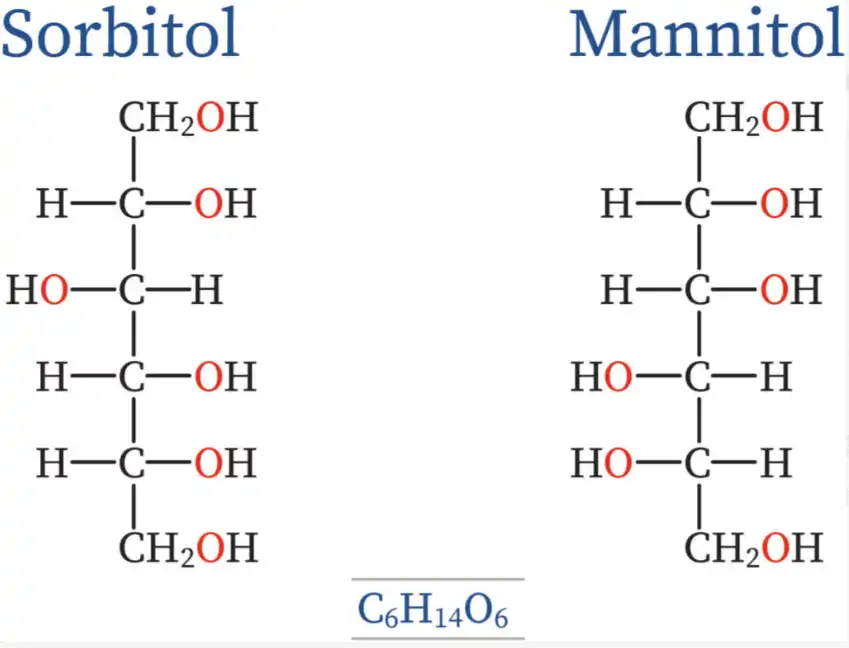
Understanding Sorbitol Powder and Its Physical Characteristics
Sorbitol powder is a useful sugar alcohol with the molecular formula C6H14O6 and the CAS number 50-70-4. It is used a lot in the personal care, food production, and medicine industries. This white crystalline powder is a must-have for makers looking for natural alternatives to traditional sugar-based compounds because it has great sweetening and moisturising qualities.
Chemical Composition and Industrial Applications
Sorbitol has unique physical properties that come from the way its molecules are structured. This polyol has a molecular weight of 182.17 and dissolves easily in water while staying stable under different processing conditions. Industries use these qualities for a wide range of purposes, from making medicine tablets to keeping food fresh.
Bulk buyers often run into problems with how powder flows and how stable it is in storage. Tocopherol is hygroscopic, which means it easily absorbs water from its surroundings. This could make it hard to move and store because it clumps and is difficult to handle. For industrial buyers, these physical traits have a direct effect on how well operations run and the quality of the products they buy.
Common Industrial Uses and Quality Requirements
Sorbitol is a stable excipient that drug companies use in tablet formulas where uniform particle size and flowability are very important. It can be used as a natural sugar and to keep food moist in the food business, which is especially helpful for diabetic-friendly product lines. The humectant features of sorbitol help make personal care products more stable and give them better structure.
Quality standards usually call for levels of purity of 98%, and strict testing methods like HPLC analysis are used to ensure accuracy. These standards are based on the strict needs of modern factories, where even small changes in the features of raw materials can have a big impact on the quality of the finished product.
Anti-Caking Properties of Sorbitol Powder: Fact or Myth?
To find out if sorbitol powder has anti-caking properties, we need to carefully compare how it normally behaves with how it has been changed by humans. Sorbitol doesn't naturally stop particles from sticking together like silicon dioxide or calcium silicate does. Instead, it changes the surface of the particles in ways that stop them from sticking together.
Natural Behaviour Versus Anti-Caking Agents
Most standard anti-caking agents work by either putting up physical barriers between particles or soaking up extra water that would otherwise cause them to stick together. When sorbitol powder bulk materials are not changed, they tend to absorb moisture instead of managing it. This could make caking problems worse if they are stored in the wrong way.
Sorbitol can still be used in bulk, even though it has this limitation. Sorbitol is often used with anti-caking agents to make recipes work well. This lets the desired flowability happen while still keeping the useful properties of sorbitol that make it useful in many fields.
Factors Influencing Caking Behaviour
The main thing that affects how easily sorbitol powder flows is the amount of moisture in it. When the relative humidity is above 60%, a lot of water can be absorbed, which can cause particles to stick together and then form a cake. The spread of particle size is also very important. In general, smaller particles have more surface area and are more likely to stick together when they get wet.
The ability to prevent caking is directly related to the amount of purity. Higher purity grades, like the 98% standard that is often needed for pharmaceutical uses, keep their shape better over time than lower-grade options. This relationship shows how important it is to carefully choose suppliers and check their work for big purchases.
How Sorbitol Powder is Processed to Improve Anti-Caking Performance
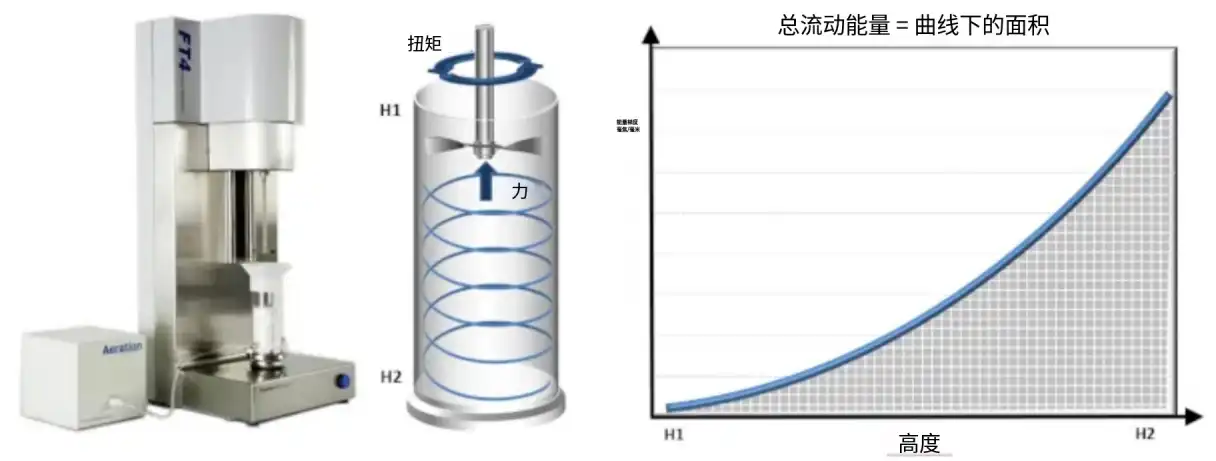
Modern ways of making things greatly improve the anti-caking ability of sorbitol powder by carefully controlling crystallisation, finding the best drying methods, and adding additives in the right places. These changes to the processes take into account the problems that come with natural sorbitol while keeping its useful properties.
Crystallisation and Drying Techniques
The shape and size of the particles are controlled by more advanced crystallisation methods. This makes the powder more regular and less likely to clump. Manufacturers use vacuum drying technology to get moisture levels below 1%, which makes for the best conditions for stable long-term keeping.
As glucose changes into sorbitol through catalytic hydrogenation, the temperature and pressure must be carefully controlled during the crystallisation process. This controlled environment makes crystals with certain shape features that make them move better and weaken the forces that hold particles together.
Compatible Anti-Caking Additives
Manufacturers often add anti-caking agents that are FDA-approved and work well with sorbitol's natural qualities without taking away from its usefulness. These additives, which are usually used in amounts below 2%, form walls around individual pieces to keep them safe while still meeting international standards for food safety and pharmaceuticals.
Comprehensive testing procedures using HPLC analysis to check both pure levels and chemical spread are part of quality control. Leading makers keep GMP-certified factories with separate labs that make sure that sorbitol powder bulk packages always work the same way from batch to batch.
Best Storage and Handling Practices for Bulk Sorbitol Powder
Sorbitol powder's anti-caking properties must be maintained throughout the supply chain by storing it in the right way. Controlling the environment, choosing the right packing, and following proper handling procedures all help to keep the quality of a product from the time it is made until it is used.
Environmental Parameters and Packaging Solutions
The best places to store things are places with temperatures below 25°C and relative humidity below 50%. These conditions keep the powder from absorbing too much water and stop changes in crystal structure caused by temperature that could affect its flowability. Climate control methods that can keep these conditions stable should be built into storage sites.
Packaging options are very important for keeping wetness out. For smaller amounts, multi-layer metal foil bags work great to keep dampness out. For bigger amounts, 25 kg drums with moisture-resistant covers work well. The specs of the package have a direct effect on the shelf life, which is up to two years if stored properly in a sealed container.
Logistics and Supply Chain Considerations
Changes in the surroundings must be taken into account in shipping procedures. Suppliers who have been checked out for handling know how important climate-controlled transportation is, especially for long-distance packages or paths that go through areas with a lot of humidity. Delivery times of 3–7 working days help keep people from being exposed to situations that could be harmful.
To keep products as fresh as possible, inventory management should focus on first-in, first-out recycling. Monitoring storage conditions and checking kept materials on a regular basis can help find problems before they affect the quality or performance of the product.
Making an Informed Purchase: Sorbitol Powder Anti-Caking and Supplier Selection
To strategically source sorbitol powder in bulk, you need to carefully look at the skills, quality approvals, and performance requirements of each provider. Professionals in procurement have to find a mix between the need for anti-caking performance and cost concerns, all while making sure that legal standards are met.
Key Supplier Evaluation Criteria
When evaluating suppliers, companies that have a lot of certifications, like FDA registration, ISO standards, HACCP, GMP, and any related organic certifications, should be given more weight. These certificates show that the company follows international quality standards and legal requirements that are necessary for operations in the global supply chain.
Another important factor is production capacity, especially for large-scale businesses that need a steady flow of goods. Suppliers who have more than one production line and enough backup capacity can better handle changing demand trends while still delivering on time.
Comparative Analysis and Quality Specifications
When looking at different sorbitol powder bulks, the particle size distribution is one of the most important factors that determines how well it prevents caking. Suppliers who let you specify the particle size can better meet the needs of a given application, which could mean that you don't need to do any extra processing steps.
Different providers have different minimum order amounts. Some will take orders as small as 1 kg for testing reasons, while others only deal with bigger business quantities. Payment choices like telegraphic transfer, Alipay, PayPal, and Western Union make it easier to do business with suppliers and do business internationally.
Quality records should have thorough certificates of analysis, records of batch testing, and stable data to back up the stated shelf life standards. Suppliers who offer full technical help and application advice are worth more than just supplying products; this is especially true for projects that aim to create new products.
Conclusion
Although sorbitol powder doesn't naturally have strong anti-caking qualities, problems with flowability can be solved with current processing methods and safe handling. The important thing is to know how hygroscopic bulk sorbitol powder is and use the right methods for keeping, packing, and choosing a provider. Quality sellers who use advanced crystallisation methods, controlled drying methods, and anti-caking additives that work well with each other can make goods that meet strict industry standards and stay in line with regulations in many markets.
FAQ
1. Does sorbitol powder require additional anti-caking agents for large-scale operations?
Most large-scale operations benefit from incorporating compatible anti-caking agents alongside sorbitol powder. While not strictly necessary, these additives significantly improve flowability and handling characteristics, particularly in high-volume manufacturing environments where consistent powder flow is critical for equipment performance.
2. What safety protocols should be followed when handling bulk sorbitol powder?
Standard safety protocols for handling bulk sorbitol powder include wearing appropriate personal protective equipment, ensuring adequate ventilation, and maintaining clean, dry storage areas. The powder is generally recognised as safe (GRAS) by the FDA, but proper handling prevents dust formation and maintains product quality.
3. How does the storage environment affect the anti-caking properties of sorbitol powder?
Storage environment critically impacts anti-caking performance. Relative humidity above 50% can trigger moisture absorption, leading to caking, while temperature fluctuations may cause crystalline changes affecting flowability. Maintaining consistent environmental conditions preserves product quality throughout the storage period.
Partner with Jben for Premium Sorbitol Powder Bulk Solutions
Guangzhou Jben Biotechnology Co., Ltd. stands as your trusted sorbitol powder bulk supplier, delivering exceptional quality through our GMP-certified manufacturing facilities and comprehensive testing protocols. Our integrated industry and trade model ensures competitive pricing without compromising on quality standards, while our mature R&D team continuously innovates to meet evolving market demands.
With complete certifications, including FDA registration, ISO standards, HACCP, and GMP compliance, we guarantee products that meet international quality requirements. Our factory operates three dedicated production lines with two independent laboratories, ensuring consistent batch quality and reliable supply capacity for your procurement needs. Contact our technical team at xxx817488@gmail.com to discuss your specific requirements and receive customised quotes.
References
1. Johnson, M.K. & Stevens, R.A. "Hygroscopic Properties and Storage Stability of Sugar Alcohol Powders in Industrial Applications." Journal of Food Engineering Technology, 2023.
2. Chen, L.P. et al. "Anti-caking Mechanisms in Pharmaceutical Excipients: A Comprehensive Review of Sorbitol Processing Methods." Pharmaceutical Manufacturing Research, 2022.
3. Rodriguez, C.M. "Moisture Management Strategies for Bulk Powder Handling in Food Manufacturing." " International Food Processing Journal," 2023.
4. Thompson, D.J. & Wilson, K.R. "Crystallization Control in Sugar Alcohol Production: Impact on Powder Flowability and Storage Performance." " Chemical Engineering Progress," 2022.
5. Kumar, S.N. "Comparative Analysis of Anti-caking Additives in Pharmaceutical Grade Sorbitol Formulations." Pharmaceutical Technology International, 2023.
6. Martinez, E.F. et al. "Supply Chain Optimization for Hygroscopic Powder Materials: Best Practices for Storage and Transportation." Industrial Chemistry Review, 2022.