

_1765201068552.png)
Glibenclamide Powder Dosage Guidelines: Ensuring Safe and Effective Use
In pharmaceutical forms around the world, glibenclamide powder is a key antidiabetic drug. This white crystalline powder is a second-generation sulfonylurea compound with the chemical formula C23H28ClN3O5S and the CAS ID 10238-21-8. It effectively lowers blood sugar by stimulating insulin release in an exact way. This detailed guide is for healthcare providers, pharmaceutical makers, wholesalers, and people who buy things from other businesses who are looking for accurate information to help them make good decisions about where to buy things and how to formulate them. Knowing the right dosage rules helps drug companies make sure they can make reliable diabetes control solutions while keeping the best safety standards in their supply chain operations.
Understanding Glibenclamide Powder and Its Mechanism of Action
Chemical Properties and Pharmaceutical Grade Specifications
This sulfonylurea product is of pharmaceutical-grade quality because it meets the requirements for 98% pure. The substance has a molecular weight of 494.01 and stays stable as a white crystalline powder as long as it is stored properly. To make sure that all of their batches are of the same high quality, factories that make materials for pharmaceuticals must have GMP-standard workshops with separate lab testing facilities. Quality control using HPLC tests proves the concentration of the active chemical while staying in line with ISO standards and FDA registration rules.
Mechanism of Insulin Secretion Stimulation
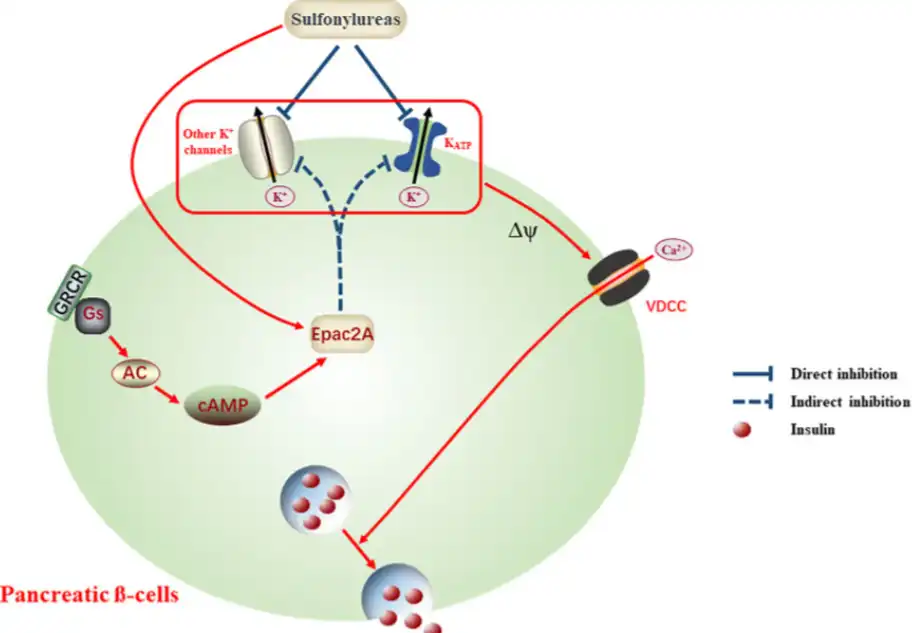
Glibenclamide powder works by attaching itself to specific sulfonylurea receptor 1 (SUR1) subunits on ATP-sensitive potassium channels in pancreatic β cells. This binding action sets off a chain of cellular events that release insulin even when glucose levels are low. Unlike metformin, which mostly improves insulin sensitivity, or external insulin preparations, glibenclamide encourages insulin production from pancreatic cells that are already working. The molecule is more glibenclamide powder effective than first-generation sulfonylureas and keeps its known pharmacokinetic qualities, which are important for making sure that the formulation stays the same.
Pharmacokinetic Properties and Drug Interactions
Recent studies show that glibenclamide powder, the molecule, has problems with absorption because it is in BCS Class II, which means it doesn't dissolve well in water. These formulation problems can be solved by using advanced micronization technologies that improve absorption and dissolution rates. When making new medicines, companies that make medicines have to think about how they might combine with warfarin, phenytoin, and some other drugs. The chemical is broken down by the liver, so people who have diseases that make their livers work less well need to be carefully evaluated.
Dosage Guidelines for Safe and Effective Use
Initial Dosing Protocols and Titration Strategies
The first dose is usually between 2.5 mg and 5 mg per day, usually taken with breakfast or the first big meal of the day. Healthcare professionals usually tell older patients or people whose kidneys aren't working well to start with smaller amounts. Dosage titration should happen slowly, with 2.5 mg dose increases every week based on how the patient's blood sugar responds and how well they can handle the medicine. The highest amount that works is usually 15 mg per day, but some formulations allow up to 20 mg with close medical monitoring. When drug companies understand these standards, they can make sure that the tablet strengths and packing arrangements meet the needs of clinical dosing. It's best for procurement teams to find Glibenclamide powder with a regular particle size distribution so that all production batches have the same tablet compression and dissolving properties.
Administration Best Practices and Formulation Considerations
The best time to give it is 30 minutes before a meal so that insulin is released at the right time to help control blood sugar levels after a meal. To make sure the tablets dissolve properly, they need to contain the right excipients, like microcrystalline cellulose and pure lactose. When making something, you have to keep the powder's structure by storing it properly in a dry, cool place with containers that don't let water in. When it comes to storage, good pharmaceutical sources give thorough instructions. Usually, they say to keep the temperature below 25°C and control the relative humidity. These storage needs have a direct effect on the choices that buyers make about packing options. Standard industry package sizes for keeping products stable during transport and storage are 1 kg aluminum foil bags and 25 kg drums.
Monitoring Requirements and Healthcare Provider Collaboration
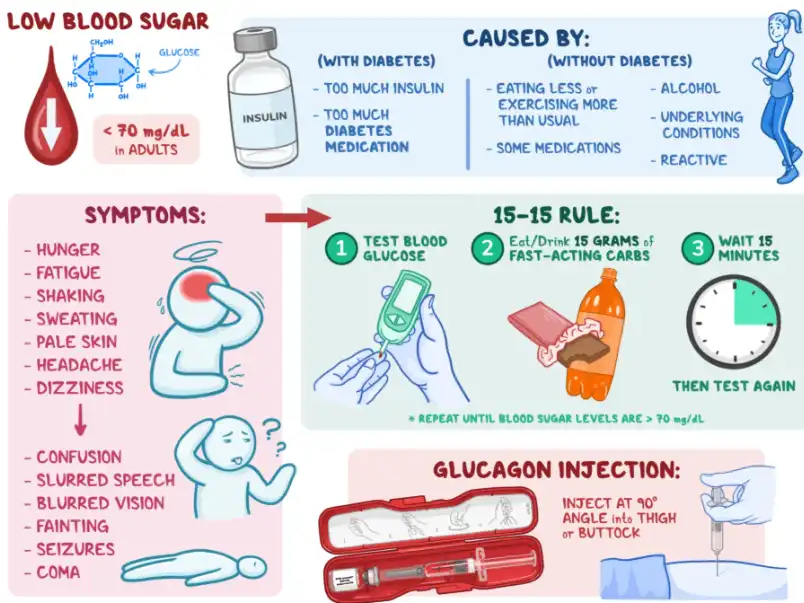
To effectively control diabetes, fasting glucose levels, HbA1c readings, and patient symptoms must be checked on a regular basis. Healthcare professionals need to keep an eye out for possible hypoglycemia events, especially at the start of a treatment or when the dose is changed. Pharmaceutical providers are very important because they provide full product documentation that helps doctors make decisions. This documentation includes stability data, bioequivalence studies, glibenclamide powder and safety ratings.
Comparison of Glibenclamide Powder with Other Antidiabetic Agents
Efficacy and Safety Profile Analysis
Glibenclamide powder works just as well as other sulfonylureas, such as glipizide and tolbutamide, but it is more affordable and easier to get. Clinical studies show that when used alone, it lowers HbA1c levels by 1% to 2%, making it a better option than more expensive newer diabetes medicines. But buying teams have to weigh these benefits against the compound's link to weight gain and hypoglycemia risk, compared to metformin's better safety profile. The substance is very cheap, which makes it very useful for drug companies that want to target cost-conscious markets while still keeping treatment effectiveness. When deciding between generic and brand-name powder sources, it is important to make sure the quality of the powder through seller certifications. This is because the stability of the formulation has a direct effect on clinical results.
Selection Criteria for Procurement Decision-Makers
When procurement experts look at providers, they should give more weight to companies that have a lot of certifications, like FDA registration, ISO compliance, HACCP, GMP, and HALAL certifications. These certificates make sure that the quality of the product meets worldwide standards and that it can be distributed around the world. Smaller pharmaceutical companies can be flexible with their minimum order amounts, which usually start at 1 kg. Larger producers can save money by buying in bulk. Some things that make a supplier reliable are their ability to produce, how long it takes to send (usually 3–7 working days), and how many payment choices they offer, such as telegraphic transfer, PayPal, Western Union, and Alipay. Taking these things into account helps procurement teams find the best mix between quality, cost, and practical scalability, all while keeping the supply chain running smoothly.
Procurement Considerations for Glibenclamide Powder
Supplier Evaluation and Quality Assurance
To find pharmaceutical-grade materials, you have to do a full review of the supplier, focused on their production skills and quality control methods. Leading providers have their own buildings with multiple production lines that follow GMP guidelines and can be tested by an independent laboratory. Some of the documents that are needed for foreign trade are certificates of analysis, stability studies, and proof that the regulations are being followed. Established suppliers like Guangzhou Jben Biotechnology show leadership in their field by combining their trade and manufacturing operations. This makes sure that products are always available and prices stay low. Their mature research and development teams help with projects that make products better and come up with new ones, which helps drug companies that are looking for reliable supply partners.
Logistics and Documentation Requirements
For international purchases, you need a lot of different kinds of glibenclamide powder shipping paperwork, like safety data sheets, certificates of analysis, and proof that you follow all the rules. Glibenclamide powder is only allowed for export, so it must be properly documented at customs and imported in accordance with the rules of the target country. Specifications for packaging must be able to handle both small amounts for study (1 kg aluminum foil bags) and large amounts for business production (25 kg drums), while still keeping the integrity of the product during shipping. Lead time planning is an important part of successful buying strategies. Usually, 3–7 working days pass after payment proof, which is enough time for customs clearance and domestic distribution. For bigger sales, volume discounts become available, which lets you save money while making sure you have enough supplies to keep production going.
Conclusion
Glibenclamide powder is still an important part of medicines used to treat diabetes because it works well and doesn't cost too much. Manufacturers and healthcare workers all over the world use it. Pharmaceutical businesses can make effective therapeutic solutions when they follow the right dosage rules and know a lot about how the chemical works and how to keep it safe. Partnering with approved suppliers who uphold strict quality standards and offer flexible buying and shipping options that meet the needs of different production sizes and markets is key to successful procurement.
FAQ
1. What is the recommended starting dose for new patients?
In the beginning of treatment, doctors usually give 2.5 mg to 5 mg every day with food. To lower the chance of hypoglycemia, patients who are older or have kidney problems may need smaller starting doses.
2. How should Glibenclamide powder be stored to maintain potency?
Storage needs places that are dry, cool, and below 25°C, with humidity levels that can be managed. When sealed packages keep wetness out, the product stays stable for up to two years if stored properly.
3. What quality certifications should buyers look for when sourcing?
FDA registration, GMP compliance, ISO standards, HACCP, and HALAL certificates are all important ones. These qualifications guarantee a quality that is high enough for pharmaceutical use and can be used in business formulations.
Partner with Jben for Premium Glibenclamide Powder Supply
Guangzhou Jben Biotechnology is a reliable company that makes Glibenclamide powder. They offer pharmaceutical-grade materials that are 98% pure and have all the necessary international certifications. Our GMP-certified factories have three production lines and separate labs that make sure the quality of every batch is the same. We can help with both study uses and commercial production needs. Our minimum order size is 1 kg, and delivery is guaranteed within 3–7 working days. For reasonable mass prices and technical support, email our sourcing experts at xxx817488@gmail.com. You can also visit jbenbio.com to see our full selection of pharmaceutical raw materials that are sure to meet your formulation needs.
References
1. American Diabetes Association. Standards of Medical Care in Diabetes - Pharmacologic Approaches to Glycemic Treatment. Diabetes Care Journal, the year 2023.
2. World Health Organization. Essential Medicines List: Glibenclamide Specifications and Clinical Guidelines. WHO Technical Report Series, 2022.
3. International Conference on Harmonization. Quality Guidelines for Pharmaceutical Manufacturing: Active Pharmaceutical Ingredients. ICH Quality Standards, 2023.
4. European Medicines Agency. Committee for Medicinal Products for Human Use: Glibenclamide Assessment Report. EMA Scientific Guidelines, 2022.
5. Food and Drug Administration. Guidance for Industry: Diabetes Mellitus - Evaluating Cardiovascular Risk in New Antidiabetic Therapies. FDA Clinical Guidelines, 2023.
6. British Pharmacopeia Commission. Monograph Standards for Glibenclamide Active Pharmaceutical Ingredients. British Pharmacopoeia Standards, 2022.