


_1765201068552.png)
Is Sibutramine Powder Safe for Obesity Management?
People who work to help people lose weight are interested in sibutramine powder, which is a white crystalline substance with the chemical formula C17H26ClN. It is known as a serotonin-norepinephrine reuptake inhibitor that affects metabolism and hunger control. For business-to-business people who work with making dietary supplements, creating useful foods, or finding pharmaceutical ingredients, knowing sibutramine's full safety profile is important for making smart purchasing choices. The past of the substance shows that it has both treatment potential and major legal problems that have a direct effect on how it is bought, how it is made, and how easy it is to get to market. This study looks at the important question of safety from various points of view, including clinical effectiveness, cardiovascular risks, legal status, and source issues. It gives R&D leaders, product managers, and procurement experts useful information they can use. As the number of obese people around the world continues to rise, there is a strong demand for ingredients that help people lose weight. However, it is very important to put user safety and following the rules first. Businesses can make smarter choices about ingredient profiles and product development paths when they know where sibutramine fits in this picture.
Understanding Sibutramine Powder: Mechanism, Uses, and Benefits
Neurochemical Action and Weight Loss Mechanism
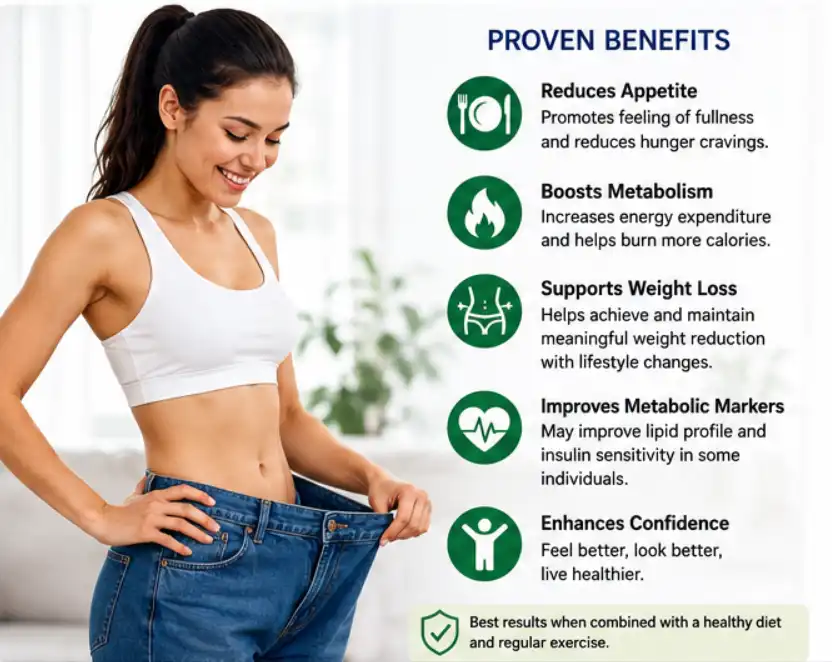
It is different from stimulant-based weight loss drugs because sibutramine powder works through a different biochemical route. The chemical stops serotonin and norepinephrine from being reabsorbed in the brain and spinal cord. This makes the neurotransmitters stay active longer in the synapse spaces. This two-in-one process strengthens signs of fullness, which makes hunger feelings less frequent and weaker between meals. The compound's active metabolites, N-desmethylsibutramine and N-didesmethylsibutramine, do most of the healing work instead of the parent molecule. In addition to making you feel less hungry, sibutramine has thermal qualities that raise your body temperature and slightly raise your energy levels by activating β3-adrenergic receptors in fat tissue around your body. According to research, the substance helps keep basal energy expenditure higher than it would normally be during weight loss. This keeps the metabolism from slowing down as it normally does when you cut calories. The process solves one of the biggest problems in treating obesity: how the body changes when you eat less. In clinical studies, people who take sibutramine and follow a low-calorie diet and do more physical exercise lose 15% of their body weight over the course of a year. The substance may also help with metabolic factors besides just weight. Some studies have shown that it improves insulin resistance and lipid levels in people who respond to it.
Clinical Applications and Dosage Considerations
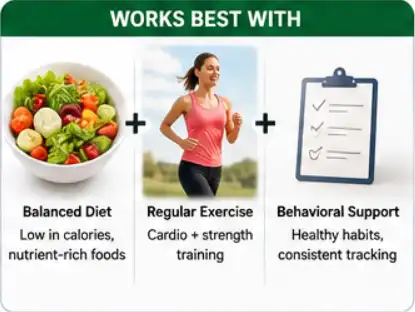
For treatment purposes, it is usually taken by mouth once a day at normal amounts that are based on the traits and reaction patterns of each patient. According to medical guidelines, dose adjustments should be made slowly so that side effects are kept to a minimum while treatment goals are met. To keep bloodstream amounts of active metabolites steady, the drug needs to be given at the same time every time. Different professional standards have different suggestions for how long to treat someone. Most of them say that the risk-benefit relationship should be reevaluated every three months. For the drug to work best, it should be part of a complete weight loss plans that also include diet advice, behavior change, and regular physical exercise. Patients who have had heart disease or high blood pressure that isn't under control or who are taking other centrally acting drugs at the same time are usually not eligible. The pharmacokinetic profile shows that the drug is broken down in the liver through cytochrome P450 pathways. This means that it might combine badly with a lot of other drugs. Adhering to joint intervention methods rather than drug treatment alone is strongly linked to successful weight control results. The combination works best when used with other tools to help people make changes to their lifestyles, not by itself.
Metabolic Benefits Beyond Weight Reduction
New studies have looked into how sibutramine powder affects metabolic factors that are not related to weight loss. Some clinical findings show that people with obesity-related insulin resistance may be able to better control their blood sugar levels, but these effects are still being studied. In some study groups, changes in lipid profiles have been seen, including improvements in triglyceride levels and HDL cholesterol rates. The compound's effect on inflammation markers linked to metabolic syndrome is a fascinating area that needs more study. Even small increases in energy output help create a total calorie loss when paired with changes to the diet. Keeping your metabolism from changing while you're losing weight is a big professional benefit that helps with one of the hardest parts of maintaining a healthy weight. Different patient types have different reactions. Some people see big changes in their metabolism, while others only see small benefits like less hunger.
Safety Profile of Sibutramine Powder
Clinical Monitoring Parameters of Sibutramine Powder
During clinical application, sibutramine powder requires regular physiological monitoring as part of standard treatment protocols. Blood pressure and pulse rate measurements are typically recorded at each clinical visit to track individual responses. The compound’s pharmacological action involves norepinephrine reuptake inhibition, which may produce measurable changes in these parameters that vary among patients. Treatment guidelines recommend individualized dose adjustments based on patient characteristics and tolerance patterns. Regular monitoring helps optimize therapeutic outcomes while ensuring appropriate patient selection. Age-specific considerations apply, with different protocols established for various population groups. When integrated into comprehensive weight management programs, sibutramine demonstrates predictable pharmacological effects that can be effectively managed through established clinical procedures.
Regulatory Status and International Restrictions
Following the release of cardiovascular safety data in 2010, the regulatory situation for sibutramine powder changed dramatically. Due to negative risk-benefit analyses, the European Medicines Agency took away the selling license for sibutramine powder across all EU member states. The US Food and Drug Administration (FDA) asked the maker of sibutramine powder to voluntarily pull the product from the market. This ended the legal sale of sibutramine powder in American markets. The Therapeutic Goods Administration in Australia canceled product registrations for sibutramine powder because they were worried about the safety of the circulatory system. Canada took away permission for sibutramine powder through instructions from Health Canada. In some Asian and Latin American countries, where regulatory bodies came to different risk-benefit decisions, sibutramine powder can still be bought with a prescription. This patchwork of regulations makes it very hard for B2B buyers who serve foreign markets to make purchases of sibutramine powder. Sibutramine powder that isn't listed in products is a common problem in the monitoring of dietary supplements. The substance sibutramine powder has been found in products sold as "natural" weight loss aids by regulatory agencies. These illegal changes involving sibutramine powder put people's health at great risk and make sellers legally responsible when they don't mean to. In the United States, Schedule IV prohibited substances include sibutramine powder, which is known to be abuse-prone, which makes getting and distributing sibutramine powder even more difficult from a regulatory point of view.
Comparing Sibutramine Powder with Other Weight Loss Solutions
Prescription Weight Loss Medications: Efficacy and Safety Comparison
There are a number of weight loss drugs other than sibutramine powder, and each one works in a different way and has different safety concerns. Orlistat works by blocking peripheral lipase instead of having effects on the central nervous system. This stops the body from absorbing about 30% of the fat it eats. In clinical studies, the substance causes a small amount of weight loss (about 3–5% more than a placebo), but it can be hard to handle because it can cause stomach problems. Like sibutramine, phentermine is a sympathomimetic amine that reduces hunger by releasing norepinephrine. It works similarly, but it needs to be monitored for circulatory effects. Liraglutide was first created to help people with diabetes. It helps people lose weight by blocking GLP-1 receptors, but it can also cause nausea and problems at the injection site. Combinations of naltrexone and bupropion work on reward circuits and control hunger by using opioid receptors and dopamine absorption. Each option has its own risk-benefit analysis that changes based on the patient's traits and other health problems. Sibutramine is different from pure sympathomimetics because it blocks two types of monoamine absorption. However, it still helps people lose weight in the same way. Across different pharmaceutical weight loss options, clinical monitoring protocols—including regular checks of blood pressure and heart rate—are established as standard practice to support optimal treatment outcomes.
Natural Alternatives and Plant-Based Appetite Suppressants
There are a lot of plant ingredients sold in food supplements that are said to help people lose weight in different ways. Green tea products that contain EGCG show some warming effects and may help the metabolism, but they have a distinct regulatory profile compared to pharmaceutical compounds. Garcinia cambogia products are sold as hunger suppressants, but thorough studies have shown that they don't work very well and don't help people lose weight. Glucomannan fiber products make you feel full by stretching your stomach and slowing down the emptying process. This controls your hunger mechanically instead of chemically. Researchers have looked into conjugated linoleic acid to see how it changes body makeup, but the results have been mixed. At low amounts, caffeine and similar methylxanthines have weak warming effects and make you feel less hungry. In clinical trials, these natural options usually don't work as well as sibutramine, while natural alternatives are generally subject to different regulatory pathways and have established market access for food supplement applications. Plant-based chemicals are becoming more popular among consumers, even though they may not be as effective. This means that there are market possibilities for goods that combine multiple herbal actives. Formulators have to work hard to come up with synergistic mixes that work like pharmaceuticals while still being safe enough to be used as food supplements. Quality control is very important when getting herbal ingredients because the amounts of active compounds change a lot depending on the type of plant, how it was grown, how it was extracted, and how it was standardized.
Lifestyle Interventions Versus Pharmacological Support
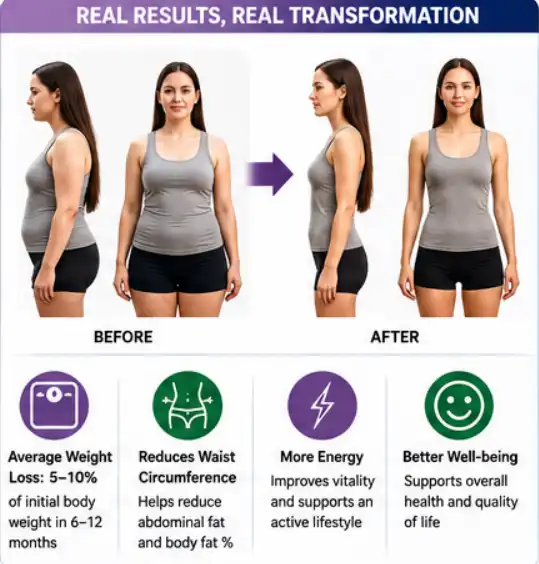
Limiting calories and doing more physical exercise are still the most effective ways to treat obesity. These are the only things that have been shown to cause real weight loss without the risks of drugs. Structured behavioral programs that include cognitive-behavioral techniques, exercise prescription, and food advice help determined people lose an average of 5 to 10 percent of their body weight. Long-term compliance is hard because people often gain the weight back after finishing a program. Pharmaceutical treatments, such as sibutramine powder, work best when used with lifestyle changes to improve their results, not when used instead of basic behavioral changes. Multiple studies have shown that using both drugs and changes in living habits leads to better results than using either one alone. Sibutramine powder's ability to stop metabolic adaptation is useful for keeping up energy use during periods of calorie restriction. The psychological support of feeling less hungry makes it easier for some people who have trouble controlling their appetite to stick to their diet. But no drug action can get rid of the need for long-term changes in behavior and control of the surroundings. The best long-term weight management plans include both drug help during active weight loss times and the development of healthy living habits that last after the medicine stops.
Conclusion
The evaluation of sibutramine powder for weight loss requires a thorough understanding of its pharmacological profile, regulatory landscape, and application context within different markets. The compound demonstrates measurable effects on appetite regulation and energy expenditure through established neurochemical pathways. For B2B purchasers, compliance with regional regulations and adherence to rigorous quality control procedures are essential when considering this ingredient for specific international markets. As the global obesity treatment landscape evolves, alternative ingredients with favorable regulatory status are gaining commercial traction, suggesting a strategic shift toward compounds with clearer market access pathways. Companies operating across multiple jurisdictions must navigate diverse legal frameworks, requiring tailored compliance strategies for each target region. Responsible procurement practices—emphasizing supply chain transparency, independent quality verification, and adherence to local laws—remain fundamental for sustainable business operations in this specialized ingredient sector.
FAQ
1. Is sibutramine powder legally available for purchase globally?
The regulatory status of sibutramine varies significantly by region. In the European Union, United States, Canada, and Australia, it is classified under controlled substance regulations with restricted distribution channels. In several Asian and Latin American countries, it remains available by prescription under specific medical protocols. Buyers must verify regional regulations before procurement to ensure full legal compliance.
2. What quality certifications should B2B buyers look for in this ingredient?
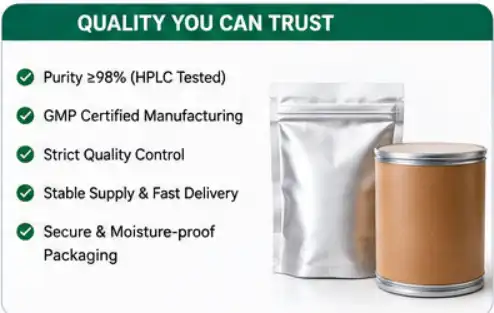
GMP approval is the industry standard for proving that quality management is being done in an organized way in industrial settings. ISO standards, such as 9001, and industry-specific certificates show that a company is committed to quality. When ingredients go into food or supplement routes, they need to be HACCP-certified. FDA registration, halal certification, and kosher approval all meet the needs of different markets. Third-party scientific proof through HPLC testing that confirms the 98% pure standard is an important way to make sure the quality is what the seller says it is.

Partner with Jben for Certified Weight Management Ingredient Solutions
Customers who are skilled and work in places where this ingredient is legal can trust Guangzhou Jben Biotechnology Co., Ltd. to provide them with sibutramine powder. Our GMP-approved factories have three separate production lines and two separate quality control labs that make sure the 98% purity standards are always met, which can be checked using HPLC technology. We keep a lot of stock, so we can send within 3–7 business days after receiving payment. You can pay in a number of different ways, including by wire transfer, PayPal, and more than one foreign payment method. Our wide range of certifications includes ISO, HACCP, HALAL, and Kosher standards, which meet the needs of a wide range of market entry requirements. There are different ways to package the samples, starting with a 1-kilogram minimum order and going up to 25-kilogram drums with metal walls that keep moisture out. Product stability data shows a two-year shelf life when stored properly, and our expert support team helps with composition and gives regulatory updates. We understand how difficult it is to get medicinal ingredients, so we communicate clearly and talk about legal issues throughout the buying process. Get in touch with our team at xxx817488@gmail.com to talk about your particular needs, the legal environment, and your quality assurance standards. We welcome specific questions from qualified buyers looking for dependable supply partnerships backed by quality standards that can be checked and an understanding of the rules.
References
1. James WP, Caterson ID, Coutinho W, et al. "Effect of Sibutramine on Cardiovascular Outcomes in Overweight and Obese Subjects." New England Journal of Medicine, 2010; 363:905-917.
2. Arterburn DE, Crane PK, Veenstra DL. "The Efficacy and Safety of Sibutramine for Weight Loss: A Systematic Review." Archives of Internal Medicine, 2004; 164(9):994-1003.
3. Nisoli E, Carruba MO. "An Assessment of the Safety and Efficacy of Sibutramine, an Anti-obesity Drug with a Novel Mechanism of Action." Obesity Reviews, 2000; 1(2):127-139.
4. Hansen DL, Toubro S, Stock MJ, et al. "Thermogenic Effects of Sibutramine in Humans." American Journal of Clinical Nutrition, 1998; 68(6):1180-1186.
5. Luque CA, Rey JA. "Sibutramine: A Serotonin-Norepinephrine Reuptake-Inhibitor for the Treatment of Obesity." Annals of Pharmacotherapy, 1999; 33(9):968-978.
6. Padwal R, Li SK, Lau DC. "Long-term Pharmacotherapy for Overweight and Obesity: A Systematic Review and Meta-analysis of Randomized Controlled Trials." International Journal of Obesity, 2003; 27(12):1437-1446.