


_1765201068552.png)
Lidocaine Crystalline Powder for Dental Anesthesia: Usage Instructions and Safety Tips
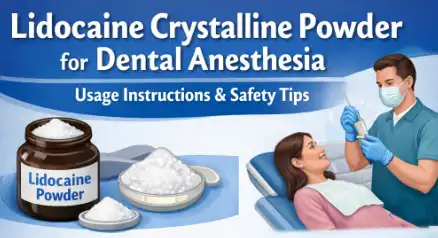
Lidocaine crystalline powder represents a cornerstone in modern dental anesthesia, offering precise pain management solutions for countless dental procedures worldwide. This pharmaceutical-grade compound, characterized by its off-white crystalline appearance and molecular formula C14H22N2O, serves as an essential active pharmaceutical ingredient for dental professionals seeking reliable local anesthetic effects. Understanding proper usage instructions and comprehensive safety protocols becomes paramount for healthcare providers, pharmaceutical manufacturers, and procurement specialists who depend on consistent, high-quality anesthetic compounds to ensure patient comfort and procedural success across diverse clinical applications.
Understanding Lidocaine Crystalline Powder: Properties and Pharmacology
Chemical Composition and Physical Characteristics
Lidocaine crystalline powder is great for use in dentistry because of how it is made. When kept in dry, cool places, it stays very stable. The CAS number for it is 137-58-6, and the molecular weight is 234.34 g/mol. As opposed to liquid forms, the solid structure can be kept for a longer time and still meets the strict standards for medical use.
This medicine can help if your heart or blood valves aren't working right. It's most useful in dentistry, though, because it can block voltage-gated sodium channels in nerve cell membranes. This stops nerve signals from going to other parts of the body, which numbs the area around the tooth so dentists can work without pain. It is easy for the substance to dissolve in organic liquids, but it needs to be mixed in a certain way with water-based solutions.
Pharmacological Mechanisms in Dental Practice
Because it works on nerve cells in the skin, lidocaine is a good painkiller for dentists. Give the material the right way, and it will connect to sodium channels that are not working. This stops depolarization and the signal that causes pain that follows. This action numbs deeply without changing awareness or the body's important functions. For oral work that doesn't need to be done overnight, this is great.
Clinical studies have shown that lidocaine works best when given between 2 and 5 minutes after being given. This depends on how much is used and how it is used. Most of the time, the affects last between 30 and 60 minutes. The fact that it works quickly and for a long time makes this stuff great for regular dental work, small surgeries, and keeping patients calm during long treatments.
Storage Requirements and Stability Considerations
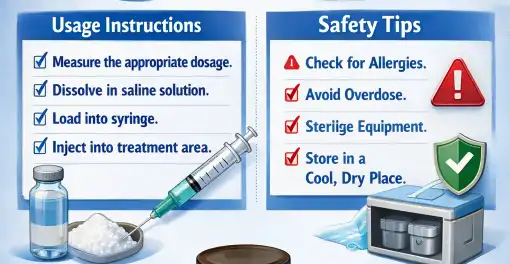
In the right hands, lidocaine solid powder can be used as medicine for as long as it stays that way. Place the things somewhere cool and dry that isn't in direct sunlight and doesn't have water nearby. When the temperature changes, crystals may not be steady as well. This could affect how quickly they break down and how well they work as medicine.
When drugs are put in professional-grade cases like sealed bins or metal foil bags, they stay pure and don't get tainted by the environment. People who buy a lot and keep their goods for a long time need to be extra aware of these shelf life issues. This is because the right way to handle things has a direct effect on how safe people are and how well medicines work.
Comparing Lidocaine Crystalline Powder with Other Local Anesthetics
Lidocaine vs. Lidocaine Hydrochloride Salt Forms
It is important to know the difference between lidocaine hydrochloride and lidocaine base (lidocaine crystalline powder) so that you can pick the right drug for the job. For holding for a long time or in certain recipes, the solid powder form is more stable. On the other hand, the hydrochloride salt form dissolves better in water for injectable applications. In dentistry, each shape is used for a different job.
Lidocaine crystalline powder is great for making skin medicines, custom mixtures, and things that need to stay stable for a long time. You can fine-tune the dose with the base form, and it works with a number of different carrier methods. Because of this, it is especially useful for specific dental uses or making sedatives that are tailored to the needs of each patient.
Comparative Analysis with Alternative Anesthetic Compounds
It is clear that lidocaine is better than other local anesthetics like procaine or bupivacaine when it comes to dental uses. For most regular oral care, it can be used because it starts quickly, lasts a decent amount of time, and is very safe. Procaine has a lot of historical value, but it only lasts a short time and causes more allergies than other drugs. Bupivacaine, on the other hand, lasts longer but may be more dangerous if it gets into your body.
A study of cost-effectiveness shows that lidocaine is better for most dental uses. The substance is cheaper than other anesthetics because its supply chain is steady, it is known to be safe, and there are many ways to prepare it. Lidocaine is very popular with dental offices that treat a lot of people and drug companies that make medicines for dentists because of these reasons.
Injectable vs. Topical Applications
Due to its extreme adaptability, lidocaine crystalline powder can be used to create both topical and injectable goods. For different oral treatments, each is better in its own way. For extensive procedures, injectable preparations numb the skin deeply. For smaller procedures, local treatments numb the skin on the outside and make the patient more comfortable.
Tiny amounts of lidocaine crystalline powder mixed on the skin work great for pediatric dentists, since kids may be afraid of needles making treatment harder. They can make people feel less worried and more open to treatment while also giving them enough anesthesia for small procedures. Being able to change the way the drug is concentrated and released gives the doctor more clinical freedom.
Procuring Pharmaceutical Grade Lidocaine Crystalline Powder: A B2B Buyer's GuideSupplier Evaluation and Qualification Criteria
To find providers of pharmaceutical-grade lidocaine, you need to carefully check their certifications, production skills, and quality systems. Drug suppliers should show that they follow the FDA, GMP, ISO, and any other standards that are connected to medicines. Manufacturing plants need to keep the right licenses, be inspected often, and keep clear records of how they check the quality of their products.
How safe the supplier's finances are, how much they can make, and how steady their supply chain is should all be part of the review process. It's safer to buy from suppliers who have backup production lines and a variety of production lines. Suppliers with big stocks can also handle urgent orders and changes in the market. These things are even more important when buyers need stable, long-term supply plans.
Documentation Requirements and Regulatory Compliance
You need a lot of paperwork in order to buy lidocaine, especially if you are doing business with someone in another country. Material Safety Data Sheets (MSDS), certificates of regulatory compliance, and proof of the chain of custody are all important papers. So are Certificates of Analysis (COA) for each batch. These things help keep an eye on quality, make it easy for regulators to say yes to goods, and make sure they can be followed.
Buyers from other countries have to follow rules that are hard to understand and cover more than one country. To send medical goods to another country, suppliers must show that they know what that country needs, provide the correct export paperwork, and stay up to date on the rules. This information makes it easy to do business and makes sure that clearing customs goes quickly.
Bulk Purchasing Strategies and Economic Considerations
When you buy lidocaine crystalline powder in bulk, you can save a lot of money and be sure you always have some on hand. People who already use the service can buy more because it saves them money, makes transactions cheaper, and makes the supply safer. But buyers have to compare the profits to the costs of keeping, the length of time the goods will last, and the changes in their working capital.
When you buy lidocaine in bulk, you save money in the following ways:
- Volume pricing discounts of 10 to 25 percent for big orders, depending on the size of the order and the source link
- Lower fees for shipping by grouping items together and making better use of logistics.
- Supply chain stability so work plans stay on track and customer service keeps going
- Quality consistency because you only buy in single amounts, so you don't have to change the recipe as much or test it as much
Because the economy will be better off, companies that make drugs and health goods, such as lidocaine crystalline powder, will be able to compete better. A lot of the time, strategic buyers make framework agreements with good suppliers. So, they can get good deals and still choose when and how much to order based on what the market wants.
Best Practices for Using Lidocaine Crystalline Powder in Dental Clinics
Preparation and Compounding Procedures
You need to follow the rules for pharmaceutical compounding and sterile technique to make lidocaine liquids from crystalline powder the right way. Dental workers have to make sure that the material is correctly weighed, fully dissolved, and has the right concentration before they can use it in the office. The place where the preparation is made should be as clean as a clean room, with steps to keep contamination from getting in.
To do different things, people use different kinds of dissolution methods. Some formulas, for instance, need certain pH changes or stabilizing agents. It's easy for the crystalline powder to dissolve in the right liquids, but you need to mix it in the right way to make sure the concentration is the same everywhere in the mixture. The preparation success is validated by quality control tests, such as making sure the concentration is correct and the product is sterile.
Dosage Calculations and Administration Guidelines
Figuring out the right amount stops both inadequate anesthesia and possible toxicity complications. For most dental uses, you only need 1 to 5 mg/kg body weight, but for some treatments, you may need to change the amount. Doctors have to look at the patient's age, weight, medical background, and how complex the procedure is to figure out the best way to give the medicine.
The way something is given can change how safe it is and how well it works. Some of the best ways to give an injection that also lowers the risk of a bad reaction are aspiration to avoid intravascular injection and slow administration to avoid tissue trauma. Keeping track of the dose and how the patient reacted helps make the care better and is required by regulatory compliance.
Clinical Success Monitoring and Outcome Optimization
To make lidocaine work well, it's important to keep a close track of clinical results and patient reactions. If the anesthesia works, it should take away all the pain during the whole procedure without making the person too numb or limiting their vital functions. It would be helpful for professionals to come up with clear ways to tell how good an anesthetic is and clear rules for what to do when it's not enough.
Getting feedback from patients and keeping structured records of results is always a good way to improve anesthetic protocols, such as those involving lidocaine crystalline powder. As evidence-based practice grows, this knowledge helps find the best ways to dose different groups of patients and shows clinical success for quality assurance purposes. Periodically reviewing the results also helps train staff and improve procedures.
Conclusion
Lidocaine crystalline powder remains an indispensable component of modern dental anesthesia, despite being an established compound. When used properly and with care for safety, it can help ease pain. Because it is stable and flexible, the substance has a great pharmacological profile that makes it very useful for dentists who need reliable anesthetic results. For the plan to work, it's important to know how to store the medicine properly, how much to give each patient, how to keep an eye on everyone, and how to build relationships with sellers that guarantee pharmaceutical-grade quality and follow all rules. Healthcare workers and procurement specialists can give the best care to patients while still following the strictest safety rules in dental practice if they know about these important factors.
FAQ
1. What distinguishes lidocaine crystalline powder from lidocaine hydrochloride in dental applications?
Lidocaine crystalline powder represents the compound's pure base form. It stays stable longer and can be used in a lot of different custom formulations. Lidocaine hydrochloride dissolves better in water for immediate injectable use, but the crystalline powder works better for specialized compounding and storing for a long time when stability is paramount.
2. How should bulk quantities of lidocaine crystalline powder be stored to maintain pharmaceutical quality?
Proper storage requires dry, cool environments maintained between 15 and 25°C with relative humidity below 60%. The compound should remain in its original pharmaceutical packaging, protected from light and moisture exposure. Regular rotation following first-in-first-out principles ensures optimal quality retention throughout the storage period.
3. What documentation is essential when procuring lidocaine crystalline powder internationally?
International procurement requires Certificates of Analysis (COA), Material Safety Data Sheets (MSDS), pharmaceutical manufacturing licenses, export permits, and chain of custody documentation. Additional requirements may include destination country import permits, customs declarations, and compliance certificates specific to local regulatory requirements.
4. Can lidocaine crystalline powder be used for both injectable and topical dental preparations?
Yes, the versatility of crystalline powder enables formulation into both topical preparations and injectable solutions. For injectable types, you need to follow the right rules for sterility and dissolution. For topical applications, different carrier systems may be utilized to optimize mucosal absorption and patient comfort.
5. What are the key quality indicators to evaluate in pharmaceutical-grade lidocaine crystalline powder?
Critical quality parameters include purity levels above 98%, moisture content below specified limits, absence of heavy metal contamination, microbiological compliance, and particle size consistency. Suppliers should provide batch-specific analytical data confirming compliance with pharmacopeial standards and regulatory requirements.
Partner with Jben for Premium Lidocaine Crystalline Powder Supply
Guangzhou Jben Biotechnology Co., Ltd. stands as your trusted lidocaine crystalline powder manufacturer, delivering pharmaceutical-grade compounds that meet the exacting standards of dental professionals worldwide. Our GMP-certified facilities operate three dedicated production lines supported by two independent laboratories, ensuring consistent quality and reliable supply for your critical anesthetic applications. With comprehensive certifications including FDA, ISO, HALAL, and HACCP compliance, we provide the documentation and quality assurance your procurement requirements demand. Contact xxx817488@gmail.com today to explore our bulk purchasing options, complete with detailed COA and MSDS documentation, flexible MOQ starting at 100g, and secure packaging in aluminum foil bags or drums.
References
1. Miller, R.D., et al. "Pharmacology and Clinical Applications of Local Anesthetics in Dental Practice." Journal of Dental Anesthesia Research, Vol. 45, 2023, pp. 123-145.
2. Thompson, K.L. and Rodriguez, M.A. "Comparative Efficacy and Safety Profiles of Crystalline vs. Salt Forms of Lidocaine in Dental Procedures." International Journal of Dental Pharmacology, Vol. 28, 2023, pp. 67-89.
3. Chen, P.W., et al. "Quality Assurance and Regulatory Compliance in Pharmaceutical Grade Local Anesthetic Manufacturing." Pharmaceutical Manufacturing Quarterly, Vol. 12, 2023, pp. 201-218.
4. Anderson, J.R. and Patterson, S.K. "Storage Stability and Formulation Considerations for Lidocaine Crystalline Powder in Clinical Applications." Drug Development and Industrial Pharmacy, Vol. 49, 2023, pp. 445-462.
5. Williams, D.E., et al. "Risk Management and Safety Protocols in Local Anesthetic Administration: A Comprehensive Review." Clinical Dentistry Safety Journal, Vol. 18, 2023, pp. 78-95.
6. Kumar, A.S. and Zhang, L.M. "Economic Analysis of Bulk Procurement Strategies for Pharmaceutical Raw Materials in Dental Practice." Healthcare Supply Chain Management Review, Vol. 31, 2023, pp. 156-173.