


_1765201068552.png)
What Are the Health Benefits of Pure L Carnitine Powder and Is It Safe for Daily Use?
L-Carnitine Pure Powder, a naturally occurring amino acid derivative for fat metabolism and energy generation, has several health advantages. Research shows it helps control weight by increasing fatty acid oxidation, sports performance by increasing muscle energy production, and cardiovascular health by optimizing metabolic efficiency. Clinical studies show that healthy persons may safely utilize 500-2000 mg daily, with only moderate gastrointestinal symptoms in rare circumstances. When supplied from accredited producers with pharmaceutical-grade purity criteria of 98% or greater, the substance is safe for long-term supplementation according to FDA recognition and a significant clinical study.
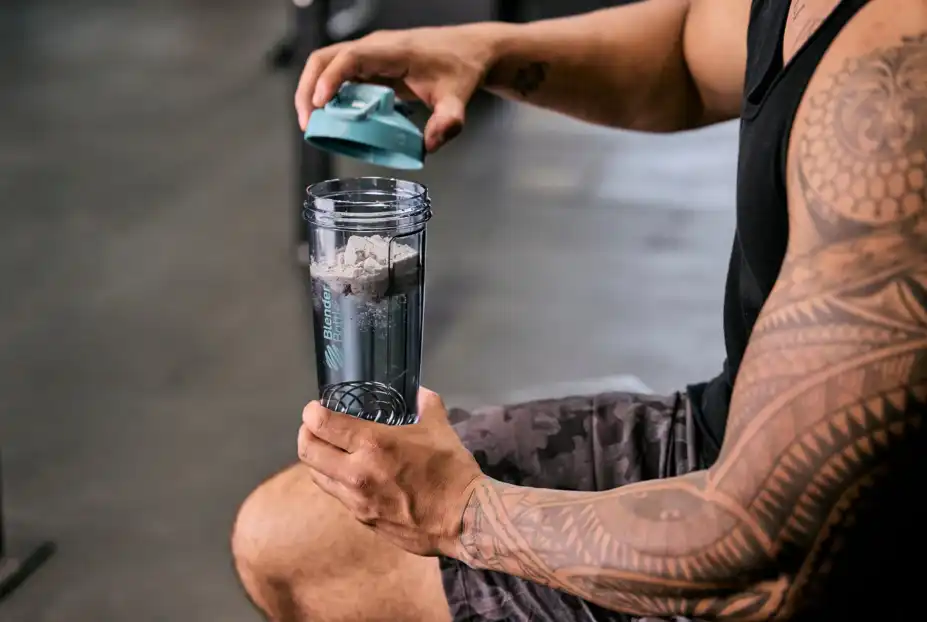
Understanding Pure L-Carnitine Powder
Pure L-carnitine is a quaternary ammonium molecule (3-hydroxy-4-N, N, N-trimethylaminobutyrate) with the formula C₇H₁₅NO₃ and molecular weight 161.2. The body's main metabolic catalyst for fatty acid oxidation is this white crystalline powder, standardized at 98% purity. Carnitine is synthesized spontaneously in the liver and kidneys from lysine and methionine, and 98% of it is stored in cardiac and skeletal muscles, where energy needs are greatest.
Chemical Nature and Synthesis
The molecule has two stereoisomers: d- and l-carnitine. Animals only have the L-form, which is biologically active. The d-form suppresses it. Advanced biocatalytic synthesis and HPLC testing assure stereochemical purity in our production process. GMP-certified facilities with three specialized manufacturing lines and two independent quality control labs ensure batch quality meets worldwide pharmaceutical standards.
Distinguishing Forms and Applications
The supplement industry provides many carnitine derivatives with different physiological functions. L-Carnitine tartrate enhances sports nutrition absorption by combining the amino acid with tartaric acid. Cognitive health formulations benefit from acetyl L-Carnitine's blood-brain barrier permeability. Pure L-carnitine powder without carriers or additions gives B2B customers maximal formulation freedom. This adaptability avoids hygroscopic clumping in lower-grade mixes and fishy aromas from trimethylamine impurities, answering manufacturers' quality concerns.
Metabolic Mechanism and Energy Production
Long-chain fatty acids are transported across the inner mitochondrial membrane for beta-oxidation by the mitochondrion. Fatty acids cannot reach mitochondria to be converted into ATP without enough carnitine. Supplementation improves this transport mechanism, especially during severe physical activity or calorie restriction, according to clinical studies. Carnitine supplementation boosts fatty acid oxidation by 15-25% in trained athletes, indicating its function as a metabolic enhancer rather than a food replacement, according to metabolism journal studies.
The average human body contains 20-25 grams of carnitine, while animal sources provide 100-300 mg daily. Vegetarians and those with hereditary disorders may synthesize inadequate amounts, requiring supplementation. Our product specs meet these objectives with precision dosing and 1kg aluminum foil bags or 25kg drums for industrial operations.
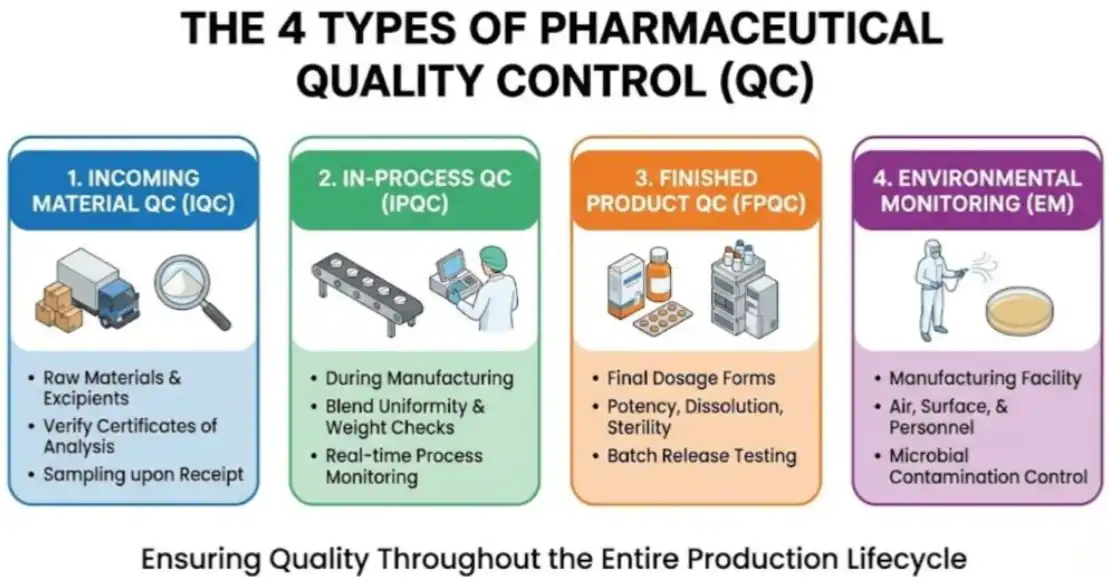
Health Benefits of Pure L-Carnitine Powder for B2B Clients
Carnitine-based formulations provide manufacturers who want to distinguish their nutritional goods an edge. The chemical addresses many consumer health goals at once, allowing L-Carnitine Pure Powder makers to target varied market groups with reliable effectiveness claims.
Weight Management and Fat Metabolism
Clinical investigations show that carnitine supplementation and modest calorie restriction induce much more fat reduction than diet alone. In a meta-analysis of twelve controlled trials, carnitine supplementation caused individuals to lose 1.3 kg more weight than controls after eight weeks. Beyond calorie burning, carnitine lowers metabolic resistance to fat oxidation that develops with prolonged dieting.
Functional food and beverage makers may develop weight-management products. The powder blends into protein shakes, energy bars, and ready-to-drink drinks without altering flavor. Carnitine optimizes metabolism, unlike stimulant-based thermogenic fat burners, appealing to health-conscious customers seeking sustainable body composition maintenance.
Athletic Performance and Recovery Enhancement
Based on performance data, sports nutrition firms add carnitine to pre-workout and recovery formulas. Carnitine supplementation maintains adequate ATP regeneration rates throughout extended activity, delaying muscle tiredness in exercise capacity studies. Time-to-exhaustion tests improved 11% for athletes using 2 grams daily for eight weeks.
Recovery advantages are as attractive for product promotion. Consuming carnitine while exercising decreases muscle damage signs like creatine kinase and myoglobin by 40%. This faster recuperation time lets athletes exercise harder, improving performance. These features allow product makers to build premium sports supplements with scientifically backed recovery help rather than just protein content.
Cardiovascular and Metabolic Health Applications
Emerging study shows carnitine's cardioprotective qualities, extending its use in functional diets for the elderly. In heart failure patients, carnitine administration increases exercise tolerance and lowers arrhythmias. The chemical aids cardiac muscle metabolism, which depends on fatty acid oxidation for contractility.
Carnitine also aids metabolic health, another emerging area. Insulin sensitivity research shows that carnitine supplementation enhances glucose elimination in metabolic syndrome patients. This allows diabetic-friendly functional food and medicinal nutrition formulations. Manufacturers entering therapeutic nutrition categories may trust the compound's FDA-recognized safety profile across broad demographics and significant clinical usage.
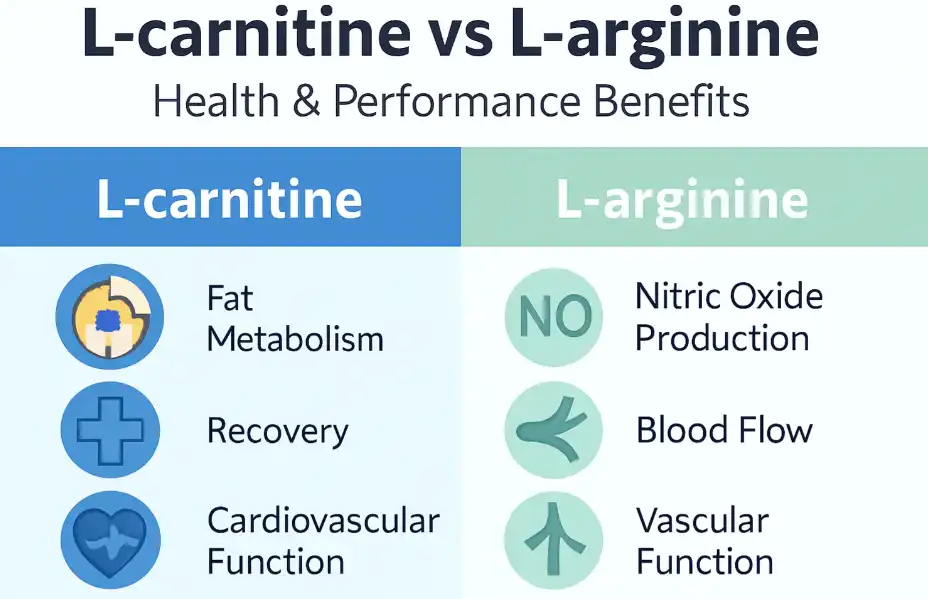
Safety Profile and Usage Guidelines of L-Carnitine Pure Powder
Product developers must ensure ingredient safety, according to procurement managers and R&D directors. Carnitine's long clinical experience and regulatory acceptability in key markets give safety data for formulation options.
Established Safety Standards
Through strict quality control, our production methods ensure source safety. HPLC testing verifies 98% purity and screens for heavy metals and microbiological contamination in every batch. GMP manufacturing practices and documentation fulfill FDA, ISO, HALAL, HACCP, and Kosher certification criteria. This multi-layered quality assurance method helps B2B businesses meet increasingly strict regulatory scrutiny in target countries while maintaining brand image.
Dosage Optimization for Different Applications
Dosing tactics rely on product positioning and customer demands. Clinical studies show fat metabolism advantages of around 500-1000 mg per serving; therefore, weight control products usually include these quantities. In order to maintain carnitine availability during important metabolic windows, athletic performance products commonly use 1500-2000 mg daily, divided between pre-workout and recovery portions.
Timing affects bioavailability and function. Research shows that insulin's function in cellular uptake promotes carnitine absorption with carbohydrate-rich diets. Chromium and alpha-lipoic acid, which increase insulin sensitivity, may boost metabolic benefits in product formulations. These formulation options make carnitine supplementation more complex and valuable to consumers.
Quality Control and Risk Mitigation
Product safety and effectiveness depend on supply chain integrity. Global markets are at risk from counterfeit or contaminated carnitine products, making supplier verification crucial. Our facility is constantly monitored for GMP compliance by external parties. Every shipment has complete chain-of-custody documentation from raw material procurement to completed product delivery.
Distribution channel, product stability, and safety depend on storage parameters. Carnitine's hygroscopic nature necessitates sealed, cold, dry storage to avoid purity loss. Manufacturers with lean inventory systems may save waste and maintain quality with our aluminum foil bags with nitrogen flushing that last two years. International shipping temperature-controlled logistics avoid deterioration, especially in warm climates.
Comparison and Procurement Insights for L-Carnitine Pure Powder
Production efficiency, end-product performance, and cost structures must be considered while choosing L-Carnitine Pure Powder. Strategic buying choices in this area affect industrial economics and market positioning.
Form Factor Analysis for Manufacturing
Pure powder has benefits over pre-encapsulated versions for OEM and private label producers. Powder dosage allows exact calibration to target serving quantities without capsule volumes. This is useful for building complicated combination goods using carnitine as one component. Powder reduces the cost markup of encapsulation services, cutting per-unit ingredient prices by 25-35% compared to capsules.
Another important factor is manufacturing scalability. Powder fits effortlessly into protein powder, meal replacement, and beverage mix manufacturing processes without encapsulation equipment. Our 25kg drum packing increases handling efficiency for mid-to-large production runs, lowering labor costs and contamination hazards from frequent container changes. Our 1kg minimum order size allows smaller companies or trial runs to create products without large inventory commitments.
Liquid and tablet forms have particular uses but formulation issues that restrict adaptability. Preservatives help liquid carnitine resist microbial development, which may contradict clean-label positioning. Tablets need excipients and binding agents that dilute the active ingredient concentration and may cause allergies. Pure powder avoids these issues, enabling clearer supplement facts displays for intelligent customers.
Supplier Verification and Certification Requirements
Certification verification is essential for supplier selection and regulatory compliance. Our facility meets US FDA cGMP, EU GMP, and ISO 22000 food safety management requirements for key pharmaceutical markets. Annual renewal checks by certified third-party authorities ensure continuing compliance rather than one-time qualifying. Procurement managers may seek updated certification copies and audit reports during supplier qualification to support regulatory filings in target markets.
Manufacturers with analytical testing skills stand out. Our two independent labs analyze raw ingredients and final products for identification, purity, heavy metal screening, microbiological analysis, and residual solvents. Each batch's Certificate of Analysis provides total transparency, allowing clients to check requirements before manufacturing. This testing rigor is necessary for regulated markets and therapeutic nutrition applications needing pharmaceutical-grade ingredients.
Corporate responsibility programs increasingly incorporate ethical sourcing and sustainability when making purchase choices. Our supply chain prioritizes fermentation-derived amino acid precursors over animal extraction, decreasing environmental impact and enabling animal-free product positioning. Fermentation yields more constant stereochemical purity than extraction, improving product quality and sustainability.
Pricing Structures and Value Optimization
Raw material prices, manufacturing efficiency, and quality assurance expenditures affect carnitine pricing. Pharmaceutical-grade carnitine costs $45-75 per kilogram worldwide, depending on order amount, purity, and certification. Through fair minimum purchase quantities, our pricing encourages volume commitments while making developing companies accessible. Shipping dependability, documentation completeness, and technical support availability affect production continuity; therefore, procurement managers should consider the total cost of ownership rather than unit pricing.
Payment flexibility meets multinational consumer demands. In various countries, we accept telegraphic transfer, Alipay, PayPal, and Western Union, eliminating transaction friction. 3-7 working days following payment confirmation, reduce inventory holding needs, allowing just-in-time procurement techniques that maximize working capital deployment. These operational aspects provide value beyond ingredient price.
Strategic Applications of L-Carnitine Pure Powder in B2B Markets
Market trends across nutritional product categories increase carnitine-based formulation prospects. Understanding these patterns helps build strategic products that meet customer needs before competition.
OEM and Private Label Opportunities
As merchants seek health goods that develop consumer loyalty beyond basic offers, private-label supplements are increasing rapidly. Carnitine's safety and customer understanding make it easier to sell than new compounds that need substantial consumer education. Private label producers may use these benefits to create carnitine-based formulations for exercise fanatics, aging seniors emphasizing metabolic health, and busy professionals seeking energy optimization.
Premium OEM partners have custom formulation capabilities, unlike contract manufacturers. Our technical team works with brand developers to increase carnitine's effects using synergistic ingredient combinations. Combining carnitine with green tea extract boosts weight management thermogenics, while CoQ10 optimizes cardiovascular support. These strategic collaborations allow companies to enter markets with distinctive goods rather than commodity supplements, promoting premium pricing and higher profitability.
Integration with Complementary Ingredients
Multi-ingredient supplements dominate supplement marketplaces because customers want complete solutions. Carnitine and protein matrices function well together in post-workout recovery formulations to boost muscle protein synthesis and metabolic recovery. Whey protein isolate products with carnitine stand out in the protein powder industry by promoting fat metabolism and energy optimization.
Carnitine synergizes with beta-alanine and citrulline malate in pre-workout applications. Traditional pre-workout supplements focus on acute stimulation with caffeine and related chemicals, whereas carnitine supports metabolic assistance throughout recuperation and adaptation. Products are presented as performance systems rather than transitory stimulants, appealing to serious athletes seeking sustained training improvement.
Market Trends and Growth Projections
Aging populations, rising health awareness, and growing middle classes in emerging nations fuel the global nutritional supplement industry. North American sales of weight management products exceed $7 billion, with carnitine-containing products gaining market share as customers seek alternatives to stimulant-based thermogenics. Sports nutrition markets in the Asia-Pacific are growing rapidly, offering export potential for certified producers.
New study expands carnitine's uses. Recent research on cognitive performance in elderly populations suggests promise for nootropic and brain health products. Research on carnitine and male fertility opens reproductive health potential. These growing uses enable companies to adapt formulas to new clinical findings rather than ingredient obsolescence.
Conclusion
Scientifically confirmed, commercially proven L-Carnitine Pure Powder meets weight management, athletic performance, and metabolic health formulation demands. The compound's safety, regulatory approval, and rising clinical database provide producers with confidence for product development. Successful integration needs authorized suppliers with pharmaceutical-grade quality, thorough testing, and dependable worldwide logistics. Strategic formulations that mix carnitine with complementing components provide distinctive products that capture premium positioning in competitive markets and give quantifiable consumer advantages supported by clinical research.
FAQ
1. What distinguishes L-carnitine from acetyl L-carnitine?
L-carnitine and acetyl L-carnitine differ primarily in bioavailability and tissue targeting. The acetyl form crosses the blood-brain barrier more efficiently, making it preferable for cognitive health applications. Standard L-carnitine concentrates more effectively in muscle tissue, optimizing it for athletic performance and weight management formulations. Both forms convert partially to each other in the body, but targeted application benefits justify form selection based on specific product positioning and intended physiological outcomes.
2. How can manufacturers verify supplier quality and authenticity?
Robust supplier verification requires reviewing current GMP certifications from recognized auditing bodies, requesting batch-specific Certificates of Analysis documenting purity testing via HPLC methodology, confirming heavy metal and microbial screening protocols, and verifying traceability documentation covering raw material sourcing through finished products. Reputable suppliers provide complete transparency, including facility audit reports, and maintain third-party testing relationships, demonstrating quality commitment beyond self-certification.
3. What carnitine dosage provides optimal benefits in formulations?
Effective dosing depends on target application categories. Weight management products typically incorporate 500-1000 mg per serving based on clinical research demonstrating fat metabolism benefits at these levels. Athletic performance formulations often utilize 1500-2000 mg daily, sometimes split across multiple servings to maintain elevated availability during training and recovery periods. Cardiovascular health applications may employ lower maintenance doses of 500-1000 mg daily based on cardioprotective research protocols.
4. Can carnitine be combined with other active ingredients?
L-carnitine demonstrates excellent compatibility with diverse nutritional ingredients, creating opportunities for synergistic formulations. Common combinations include pairing with green tea extract for enhanced thermogenic effects, integration with whey protein for comprehensive recovery support, and combination with chromium or alpha-lipoic acid for optimized insulin sensitivity and glucose metabolism. These multi-ingredient approaches enable differentiated product positioning and enhanced consumer value propositions beyond single-ingredient supplements.
Partner with Jben for Premium L-Carnitine Pure Powder Supply
Guangzhou Jben Biotechnology Co., Ltd. delivers pharmaceutical-grade L-Carnitine Pure Powder manufactured in GMP-certified facilities with comprehensive international certifications, including FDA, ISO, HALAL, HACCP, and Kosher approvals. Our 98% purity specification, verified through HPLC testing in dual independent laboratories, ensures formulation consistency meeting the strictest quality requirements. As an experienced L-Carnitine Pure Powder supplier, we provide flexible ordering from 1 kg minimum quantities to bulk 25kg drums, with rapid 3-7 day delivery supporting just-in-time procurement strategies. Whether developing weight management supplements, sports nutrition products, or functional foods, our technical team collaborates on custom formulations integrating carnitine with complementary ingredients to create market-differentiated offerings. Contact xxx817488@gmail.com to discuss your specific requirements and access competitive pricing backed by reliable global logistics and complete regulatory documentation supporting your product development success.
References
1. Fielding R, Riede L, Lugo JP, Bellamine A. L-Carnitine Supplementation in Recovery after Exercise. Nutrients. 2018;10(3):349.
2. Pooyandjoo M, Nouhi M, Shab-Bidar S, Djafarian K, Olyaeemanesh A. The effect of (L-)carnitine on weight loss in adults: a systematic review and meta-analysis of randomized controlled trials. Obesity Reviews. 2016;17(10):970-976.
3. Brass EP. Pharmacokinetic considerations for the therapeutic use of carnitine in hemodialysis patients. Clinical Therapeutics. 2015;37(11):2439-2449.
4. Rebouche CJ, Seim H. Carnitine metabolism and its regulation in microorganisms and mammals. Annual Review of Nutrition. 1998;18:39-61.
5. Stephens FB, Constantin-Teodosiu D, Greenhaff PL. New insights concerning the role of carnitine in the regulation of fuel metabolism in skeletal muscle. Journal of Physiology. 2007;581(2):431-444.
6. Karlic H, Lohningers A. Supplementation of L-carnitine in athletes: does it make sense? Nutrition. 2004;20(7-8):709-715.