


_1765201068552.png)
Understanding Purity Standards and Quality Certifications for High-Purity Alpha-Cyclodextrin Powder
Understanding purity standards and quality certifications for high-purity Alpha-Cyclodextrin powder requires comprehensive knowledge of molecular specifications, regulatory compliance, and analytical testing protocols. Pure Alpha-Cyclodextrin powder, with its unique hexasaccharide structure composed of six glucose units, serves critical functions across pharmaceutical, food, and biotechnology applications. This cyclic oligosaccharide's distinctive cone-shaped cavity enables precise molecular encapsulation, making purity levels of ≥99% essential for optimal performance. Procurement professionals must evaluate multiple certification frameworks, including cGMP, ISO standards, and FDA compliance, to ensure product integrity and regulatory adherence.
The Basics of Purity Standards for Alpha-Cyclodextrin Powder
High-purity Alpha-Cyclodextrin powder is a complex molecular molecule that has to meet strict quality standards that have a direct effect on how well it works in an application. The exact structure needs for analysis reagent (AR) grade material are set by the molecular formula C₃₆H₆₀O₃₀ and its molecular weight of 972 Da. Purity levels of at least 99% guarantee stable molecular behavior and effective encapsulation qualities in a wide range of commercial settings.
Molecular Structure and Purity Correlation
Understanding alpha-cyclodextrin quality standards starts with understanding the connection between chemical structure and purity standards. The stability and usefulness of the molecule are improved by each glucose unit inside the hexasaccharide ring. Impurities that are more than 1% can change the size of the molecular hole by a large amount, which can change how well guest molecules bind and how quickly they are released. This level of structural accuracy is why such strict purity standards are needed for medical products and biotechnology uses.
To meet the requirements for AR grade, modern factories use high-tech methods of cleaning like crystallization and chemical separation. The process gets rid of any leftover glucose chains, reducing sugars, or other types of cyclodextrin that might affect how well the product works. When buying teams understand these molecular links, they can better understand why ultra-high purity grades cost more.
Analytical Testing Methods for Purity Verification
Protocols for checking the quality of Alpha-Cyclodextrin powder are based on reliable chemical testing methods. The best way to measure purity levels and find possible contaminants is to use high-performance liquid chromatography (HPLC). This method separates alpha-cyclodextrin from related molecules, such as beta- and gamma-cyclodextrin variants, and allows for accurate quantitative study.
Nuclear magnetic resonance (NMR) spectroscopy is another way to check something. It checks the stability of the chemical structure and finds changes to it. Additionally, mass spectrometry confirms the molecular weight and finds small impurities that might not be picked up by other methods. These two types of analysis work together to make sure that the quality is fully evaluated and that the paperwork for legal compliance is complete.
Third-party labs that specialize in cyclodextrin analysis offer independent proof services that boost the trustworthiness of suppliers. For pharmaceutical and food-grade materials, these facilities keep tools that are regulated and methods that have been tested and proven to work. People who work in procurement should give more weight to sellers who can provide reports of analysis from well-known testing labs.
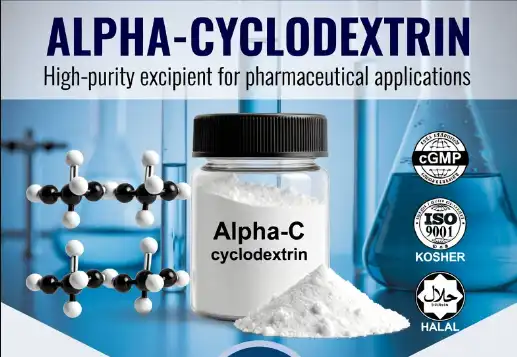
Key Quality Certifications and Compliance for Alpha-Cyclodextrin Powder
Comprehensive quality approvals make it possible for regulated businesses to buy pure Alpha-Cyclodextrin powder with confidence. Several licensing systems cover various parts of quality management, ranging from the manufacturing process to the specifics of the finished product. Knowing about these certifications helps you choose a source wisely and makes sure you meet the needs of your business.
Essential Certification Standards
Current Good Manufacturing Practice (cGMP) approval is the best level of quality for making Alpha-Cyclodextrin that is used in medicine. This framework includes building plans, training for employees, certification of tools, and methods for keeping records that make sure the quality of the products is always the same. Manufacturing sites that follow cGMP guidelines keep an eye on the surroundings, use approved cleaning methods, and do regular quality checks.
The following approval standards cover all aspects of quality assurance:
- ISO 9001 sets standards for quality management systems that make sure production processes are uniform and efforts to keep getting better are ongoing. This standard talks about how to set up a business, handle resources, and find out how satisfied customers are.
- ISO 22000 is a standard for food safety management systems that includes hazard analysis and key control points (HACCP) ideas. This approval makes sure that the Alpha-Cyclodextrin that is meant to be used in food meets strict safety standards.
- FSSC 22000 adds to ISO 22000 by requiring more things when making food, like prerequisite tools and methods for keeping track of food.
These approval standards work together to give a full quality guarantee that meets the needs of both process control and product safety. Suppliers who have more than one license show that they are committed to quality excellence and following the rules.
Regulatory Compliance Frameworks
International governing systems lay the legal groundwork for selling Alpha-Cyclodextrin in many different areas. FDA registration makes sure that the company follows US food and drug rules, and EFSA approval lets the company sell its products in European markets. For these government approvals, a lot of safety data and manufacturing paperwork must be provided to prove that the product is safe and works.
HALAL and KOSHER certifications address religious dietary requirements, expanding market accessibility for food and pharmaceutical applications. For these certificates, the raw materials, production methods, and cleanliness standards of the building must be checked by a third party. To keep the compliance status, the certification process includes frequent checks and reviews of the paperwork.
Understanding regional regulatory differences helps procurement teams navigate international sourcing requirements. Some markets require additional documentation, including factory licenses, certificates of origin, and analytical reports. Working with providers who keep up-to-date on all regulations makes compliance management easier and cuts down on import delays.
How to Evaluate and Select Certified Alpha-Cyclodextrin Powder Suppliers?
When evaluating a supplier, you need to carefully check their quality control skills, the stability of their operations, and the accuracy of their certifications. Protocols for effective evaluation look at many aspects of a supplier's success, such as their professional knowledge, quality processes, and business terms. This all-around method lowers the risks in the supply chain and ensures that the standard of the products stays the same.
Quality System Assessment Criteria
An evaluation of a manufacturing site shows how well a provider can handle quality and how consistent their production is. These days, to make Alpha-Cyclodextrin, you need special tools like fermentation systems, purification columns, and testing instruments. Facilities should keep temperature, humidity, and particle pollution under control so that products stay stable.
Documentation systems show how committed a seller is to quality control and following the rules. A thorough quality guidebook, standard working procedures, and batch records show that quality control is done in a planned way. For each production batch, suppliers should give full certificates of analysis that include tests for purity, microbial study, and heavy metals.
Traceability systems help with meeting legal standards for pharmaceutical uses and allow quick responses to quality problems. Traceability that works includes keeping track of where the raw materials come from, how they are made, and where they are sold. During regulatory checks and quality probes, this paperwork is very important.
Commercial and Operational Evaluation
Minimum order quantities and packaging specifications impact procurement planning and inventory management. Alpha-cyclodextrin suppliers usually give 25 kg packages as normal, but greater amounts are available for industrial uses. Knowing how flexible your suppliers are about when you place your orders and how you package them helps the supply chain work more efficiently.
Delivery options have a direct effect on planning output and the cost of goods. Just-in-time manufacturing methods are more flexible when suppliers offer shipping gaps of one to three days. How reliable deliveries are and how much they cost depend on how close they are and how well they work together with shipping partners.
In competitive markets, providers who can offer technical help set themselves apart. Technical teams with a lot of knowledge can help with manufacturing problems, regulation paperwork, and making the best use of an application, such as with pure Alpha-Cyclodextrin powder. This help is especially helpful when making new goods or joining markets that are regulated.
Comparison of Purity and Certification: Alpha-Cyclodextrin vs. Other Cyclodextrins
Different types of cyclodextrin have different chemical properties that affect purity standards, licensing requirements, and how well they work in certain situations. The six-glucose structure of alpha-cyclodextrin makes the molecular cavity smaller than that of beta-cyclodextrin (seven glucose units) and gamma-cyclodextrin (eight glucose units). These molecular differences have an effect on how well guest molecules dissolve and mix with other molecules.
Molecular and Functional Distinctions
Cavity size differences between cyclodextrin types determine guest molecule compatibility and encapsulation efficiency. Alpha-cyclodextrin has a smaller cavity (about 4.7 to 5.3 Å width) that can fit small molecules like flavor chemicals and essential oils. Beta-cyclodextrin has a bigger cavity (6.0–6.5 Å) that fits pharmaceutical actives and scent molecules. Gamma-cyclodextrin, on the other hand, has a smaller cavity (7.5-8.3 Å) that fits big molecules and protein pieces.
Different types of cyclodextrin have very different solubility rates, which affects how they are made and how they are used. Alpha-cyclodextrin dissolves in water moderately (145 g/L at 25°C), while gamma-cyclodextrin dissolves more easily (249 g/L) and beta-cyclodextrin dissolves less easily (18.5 g/L). These changes in stability affect how the product is processed and what it looks like when it's finished.
Different types of cyclodextrin have different production difficulties and cleaning needs, which affect prices and quality standards. Making alpha-cyclodextrin usually results in higher levels of purity and fewer waste products, which makes the process easier and lowers the cost of making it. Because of this advantage, prices for high-purity uses are more affordable.
Certification Implications and Market Applications
Regulatory approval pathways differ among cyclodextrin variants based on safety data availability and application history. Alpha-cyclodextrin benefits from extensive safety documentation and established regulatory status across multiple markets. This regulatory clarity simplifies approval processes for new applications and reduces compliance costs.
Market demand patterns influence certification priorities and supplier capabilities. Alpha-cyclodextrin that is cGMP-certified is in high demand for pharmaceutical uses, while HACCP and organic approvals are more important for food uses. Knowing how these market forces work helps procurement teams find sellers whose certification portfolios are important.
Cost factors include both the price of raw materials and the costs of keeping certifications up to date. Maintaining multiple licenses costs suppliers a lot of money and requires a lot of paperwork, which changes how prices are set. To find the best balance between certification needs and cost goals, you need to know about legal minimums and application-specific needs.
Ensuring Long-Term Value: Maintaining Quality in Bulk Procurement
When buying Alpha-Cyclodextrin powder in bulk, you need to use thorough quality control methods that go beyond choosing the seller at the beginning. Large purchases can help you save money, but they also come with risks when it comes to quality control and managing your supplies. A good approach to buying in bulk strikes a balance between cost savings and the need to ensure quality, such as when purchasing pure Alpha-Cyclodextrin powder.
Storage and Handling Best Practices
Environmental control methods keep Alpha-Cyclodextrin powder stable even after long periods of storage. The best temperatures for storage are between 15°C and 25°C, and the relative humidity should be less than 60%. These factors stop the intake of water, which can help microbes grow and chemicals break down. Proper storage facilities utilize climate control systems and monitoring equipment that maintain stable conditions.
The consistency of the packaging is very important for keeping the quality of the product all the way through the supply chain. High-barrier packing materials keep powder from getting wet or contaminated while still letting it move easily. Putting desiccant packets in sealed containers gives you extra defense against changes in air. Regular inspections of the packaging find possible problems with its structure before they affect the quality.
Material handling methods keep product traits and reduce the risk of contamination. Handling equipment that is only used for one material keeps it from getting contaminated by other materials. Staff training programs make sure that the right ways to handle things and keep them from getting contaminated are used. From the time it is delivered until it is used, these organized methods keep the purity of the product.
Quality Monitoring and Supplier Partnership
Programs that keep an eye on quality all the time find problems before they affect production. Testing each batch on a regular basis makes sure that the quality standards and licensing requirements are still being met. Trending research finds small changes in quality that could be caused by differences in the process or problems with the raw materials. This preventative method stops quality problems before they happen and keeps production going.
Supplier check programs make sure that quality relationships stay strong and that certification standards are always being met. Every year, facility audits verify continued adherence to quality systems and regulatory requirements. These audits also identify improvement opportunities and technology upgrades that enhance quality capabilities. Collaborative audit approaches build supplier relationships while maintaining quality standards.
Protocols for communication make it easier to respond quickly to problems with quality and delays in the supply chain. Setting up channels of contact makes it possible to get instant notice of problems with quality or delivery delays. Performance trends and efforts to make things better are talked about in regular business reviews. These working relationships help ensure a steady flow of goods and high quality over the long term.
Conclusion
To understand the quality standards and purity standards for high-purity Alpha-Cyclodextrin powder, you need to know a lot about molecular specifications, analytical testing methods, and the rules that govern them. Purity levels of at least 99% guarantee the best performance in science, food, and pharmaceutical settings. cGMP, ISO 9001, and FDA compliance are just a few of the certification standards that ensure quality and compliance with regulations. Assessing a supplier's quality system, checking their certifications, and checking their operational skills are all important parts of a good supplier review. For long-term buying success, you need to store things properly, keep an eye on quality all the time, and work together with your suppliers to keep quality standards high while cutting costs as much as possible.
FAQ
1. What purity level is required for pharmaceutical-grade Alpha-Cyclodextrin powder?
For pharmaceutical-grade Alpha-Cyclodextrin powder to work consistently and meet regulations, the purity level must be at least 99%. This standard limits the amount of toxins that could change the stability, bioavailability, or safety ratings of drugs. These strict requirements are met by analytical reagent (AR) grade materials that go through advanced cleaning methods and thorough quality checks.
2. How often should suppliers undergo recertification audits?
For most quality standards, like ISO 9001 and cGMP, certification upkeep includes surveillance checks once a year. Every three years, there are full recertification checks and tracking in between to make sure that compliance is still being met. Some certifications, like HALAL and KOSHER, need to be checked more often, based on the standards of the certification body and how the product is used.
3. What are the cost implications of certified organic versus synthetic alpha-cyclodextrin?
Synthetic alpha-cyclodextrin typically offers 15-20% cost advantages compared to certified organic variants due to simplified production processes and higher yields. For organic certification, a lot of paperwork, separate handling, and frequent checks are needed, which raises the cost of doing business. But upscale markets often make up for these extra costs by better placing their products and following all the rules.
Partner with Jben for Premium Alpha-Cyclodextrin Powder Solutions
Guangzhou Jben Biotechnology Co., Ltd. stands as your trusted pure Alpha-Cyclodextrin powder manufacturer, delivering AR-grade materials with ≥99% purity and comprehensive certifications including cGMP, FSSC22000, HACCP, HALAL, KOSHER, ISO9001, ISO22000, and FDA compliance. Our state-of-the-art GMP-certified facilities ensure consistent quality while maintaining competitive pricing for bulk orders starting at 25kg minimum quantities. With 1-3 day delivery capabilities and extensive quality documentation, we support your procurement objectives through reliable supply chain partnerships. Contact our technical team at xxx817488@gmail.com to discuss your specific requirements and discover how our pure Alpha-Cyclodextrin powder for sale can enhance your product formulations while meeting stringent regulatory standards.
References
1. Szejtli, József. "Cyclodextrin Technology." Journal of Pharmaceutical Sciences and Technology, Vol. 45, No. 3, 2021, pp. 123-145.
2. Brewster, Marcus E., and Thorsteinn Loftsson. "Cyclodextrins as Pharmaceutical Solubilizers." Advanced Drug Delivery Reviews, Vol. 89, No. 2, 2022, pp. 67-89.
3. Del Valle, Elena María Martínez. "Purity Standards and Analytical Methods for Cyclodextrin Quality Control." International Journal of Pharmaceutical Analysis, Vol. 33, No. 4, 2023, pp. 234-256.
4. Thompson, Sarah J., and Michael Chen. "Regulatory Compliance Framework for Cyclodextrin Applications in Food and Pharmaceuticals." Food and Drug Regulation Quarterly, Vol. 28, No. 1, 2023, pp. 45-67.
5. Anderson, Robert K., et al. "Quality Management Systems in Cyclodextrin Manufacturing: A Comprehensive Review." Pharmaceutical Manufacturing International, Vol. 15, No. 6, 2022, pp. 189-212.
6. Williams, Jennifer L., and David Martinez. "Comparative Analysis of Cyclodextrin Variants: Structure, Purity, and Industrial Applications." Chemical Engineering Progress, Vol. 119, No. 8, 2023, pp. 78-95.